What Is High Strength PCR Polypropylene Resin?
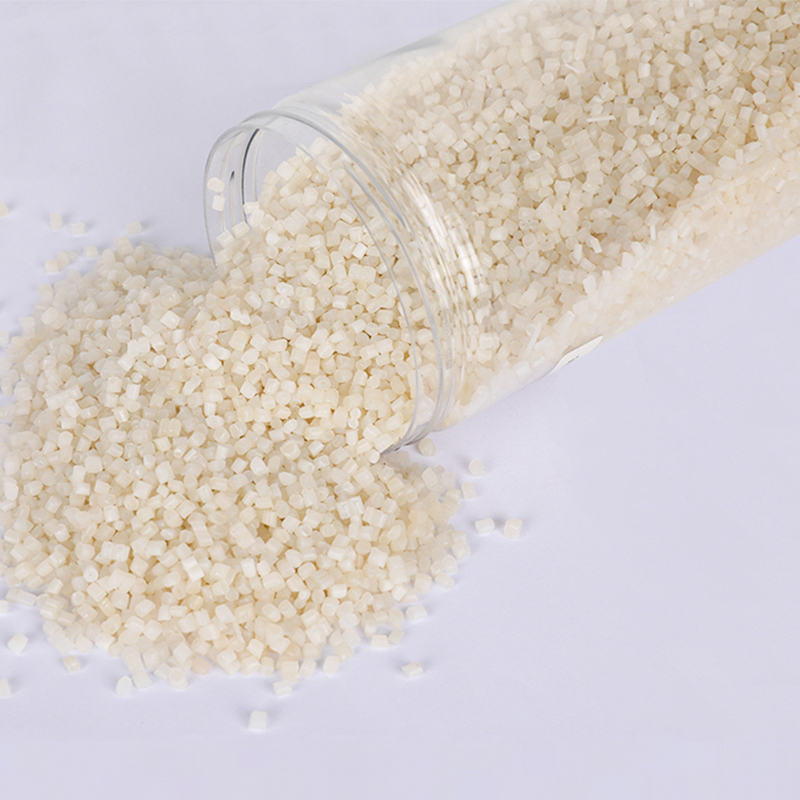
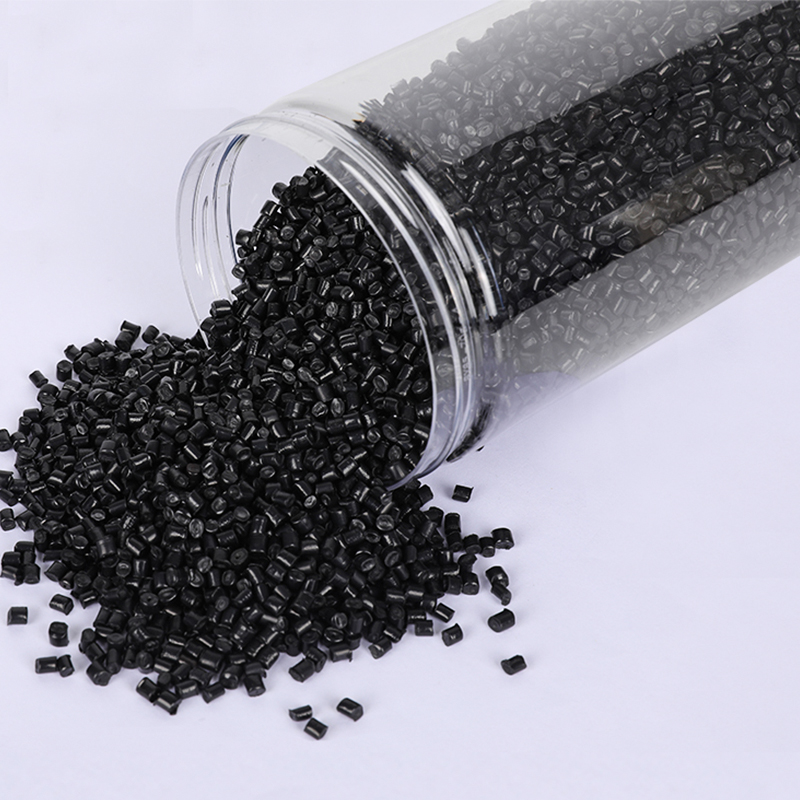
High strength PCR plastics polypropylene resin refers to polypropylene (PP) materials that contain post-consumer recycled (PCR) content but are engineered to deliver mechanical performance close to or comparable with virgin PP. These resins are designed for demanding applications where stiffness, impact resistance, and durability are critical, while also helping brands meet sustainability and recycled-content targets.
PCR PP typically originates from used consumer products such as packaging, caps and closures, houseware items, or automotive parts. Through advanced sorting, washing, reprocessing, and often compatibilization and reinforcement, recyclers and resin producers can create high strength PCR PP grades suitable for structural components, rigid packaging, and technical parts that must withstand mechanical loads and repeated use.
Key Performance Characteristics of High Strength PCR PP
To select an appropriate high strength PCR polypropylene resin, engineers and buyers need to understand the core performance metrics that determine suitability for a given application. While every supplier will have its own portfolio, most high strength PCR PP resins are characterized by improved mechanical properties, tuned rheology, and controlled aesthetics.
Mechanical Properties That Matter
Mechanical performance is central to the value proposition of high strength PCR PP. Compared with conventional PCR PP, these grades target higher stiffness, impact resistance, and long-term durability, often through controlled feedstock selection, optimized processing, and the use of additives or fillers.
- Tensile strength: High strength PCR PP often reaches tensile strengths in the range of many commodity virgin homopolymer and copolymer PP grades, enabling load-bearing parts and structurally demanding packaging components.
- Flexural modulus: Elevated stiffness is critical for rigid containers, technical housings, and parts that must maintain shape under load, such as crates, trays, and automotive interior components.
- Impact resistance: Depending on formulation, high strength PCR PP can be tuned for room-temperature or low-temperature impact, important for logistics packaging, pallets, and outdoor products.
- Fatigue and creep performance: For hinges, clips, and snap fits, resistance to repeated stress and long-term deformation is essential, and engineered PCR PP grades are increasingly optimized for these behaviors.
Thermal and Rheological Behavior
Thermal stability and flow behavior strongly influence processing windows and the types of parts that can be molded. Because PCR feedstock can be more variable than virgin resin, high strength PCR PP formulations pay particular attention to stabilizers and melt flow index (MFI).
- Melt flow index: High strength PCR PP is often offered in specific MFI ranges tailored to injection molding, extrusion, or thermoforming, helping maintain consistent cycle times and part quality.
- Heat deflection temperature (HDT): For hot-fill containers, dishwasher-safe products, and under-the-hood components, HDT is a key specification to review against virgin benchmarks.
- Oxidative stability: Stabilizer packages are often enhanced to mitigate degradation during multiple heat histories, extending resin life and protecting mechanical strength.
Aesthetic and Regulatory Considerations
Beyond purely mechanical performance, high strength PCR polypropylene resins must also meet visual and regulatory requirements, especially for consumer-facing products and sensitive applications such as food packaging or personal care.
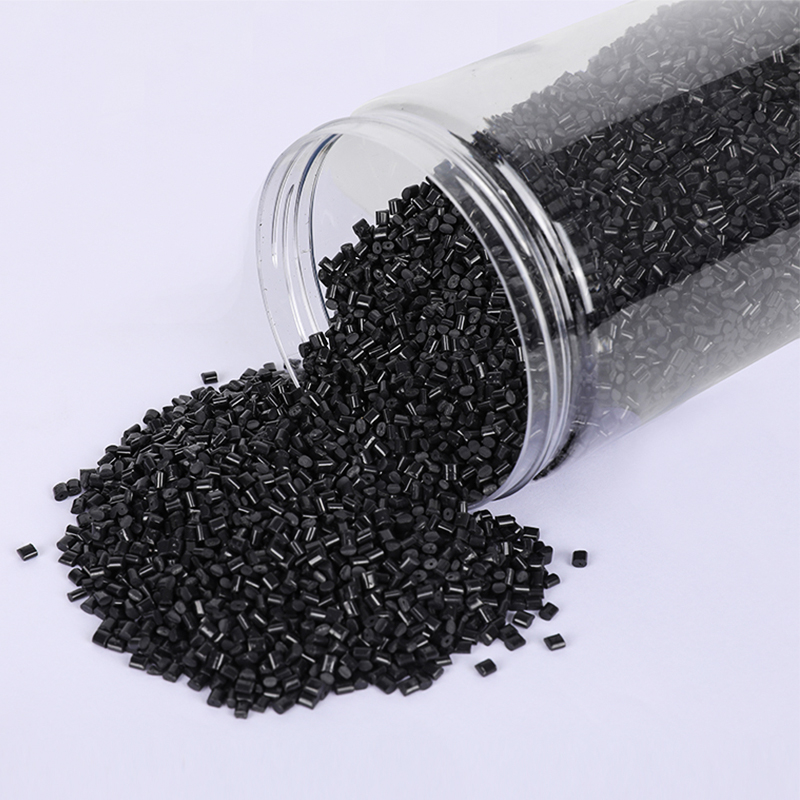
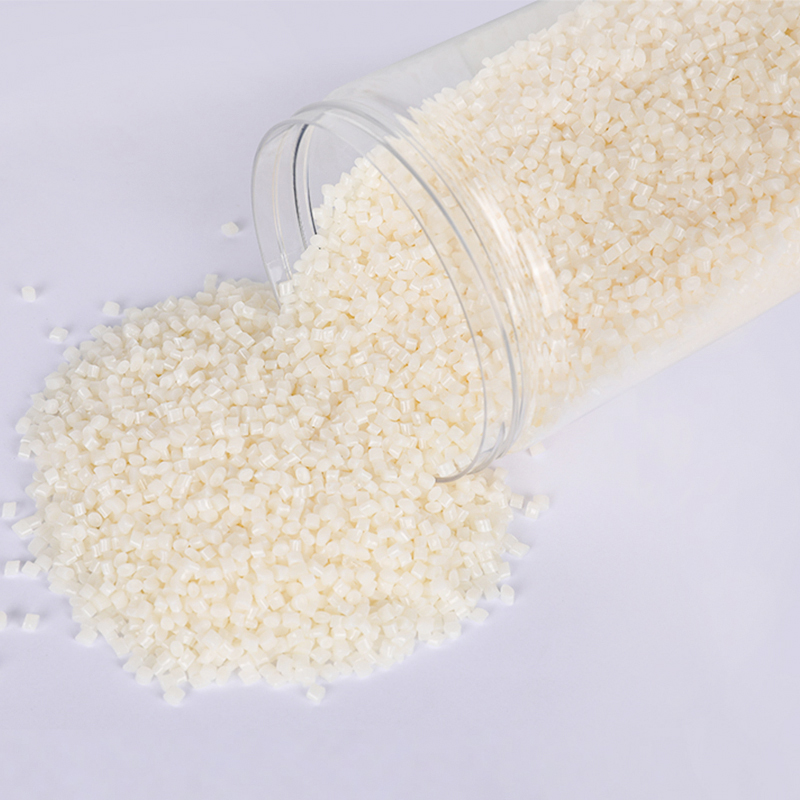
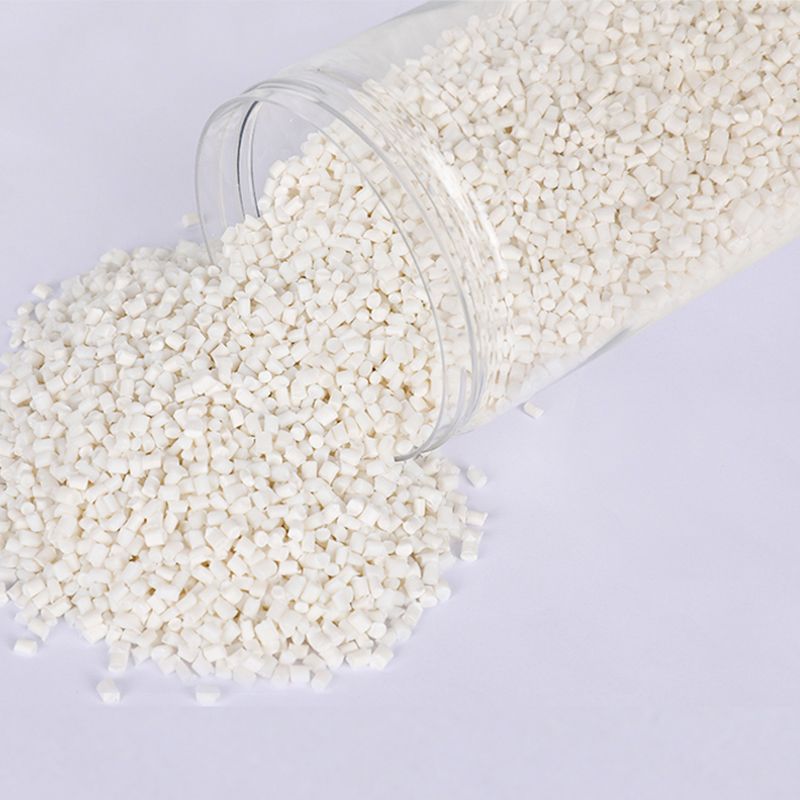
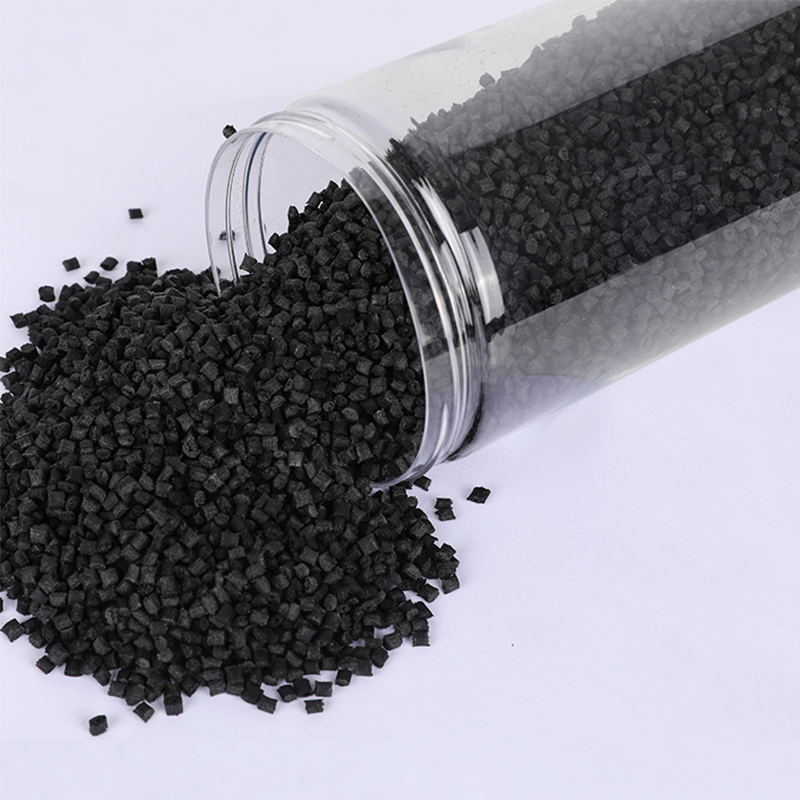
- Color and appearance: PCR PP may contain slight color variations or haze. High strength grades often include color-stabilizing additives, optimized filtration, and sometimes pre-colored masterbatch options to produce consistent aesthetics.
- Odor and taint: Advanced washing and deodorization are used to minimize residual odors, which is crucial for packaging, household goods, and any application near food or cosmetics.
- Regulatory compliance: For applications with direct or indirect food contact, or in automotive and electrical sectors, compliance with relevant standards must be validated for the specific PCR PP grade.
Comparing High Strength PCR PP with Virgin Polypropylene
When evaluating a transition from virgin polypropylene to high strength PCR polypropylene resin, decision makers typically compare mechanical performance, processing behavior, cost, and sustainability metrics. While the gap between recycled and virgin materials has narrowed significantly, there are still trade-offs and optimization strategies to consider.
| Aspect |
Virgin PP |
High Strength PCR PP |
| Mechanical strength |
High, consistent across grades |
Comparable in engineered grades, may vary by supplier |
| Property consistency |
Very high batch-to-batch consistency |
High, but more dependent on feedstock control and quality systems |
| Aesthetics and color |
Clean, predictable, easy to color-match |
Good, but may need tailored color recipes to compensate for base tone |
| Cost dynamics |
Tied to fossil feedstock pricing |
Influenced by collection, sorting, and demand for recycled content |
| Sustainability impact |
Baseline carbon and waste footprint |
Reduced carbon footprint and landfill use, supports circular economy goals |
In many use cases, high strength PCR polypropylene can replace virgin PP with minimal design or process changes, especially when mechanical and aesthetic targets are clearly defined and communicated to the resin supplier. For high-risk or highly regulated applications, partial substitution strategies or co-injection structures can be used to balance performance and sustainability.
Common Applications of High Strength PCR Polypropylene Resin
Because of its balance of stiffness, toughness, chemical resistance, and processability, high strength PCR PP is increasingly used in sectors that require both robust performance and verifiable recycled content. The following segments illustrate where these resins are gaining traction and what design priorities dominate each area.
Rigid Packaging and Consumer Goods
Rigid packaging is often the first target for incorporating high strength PCR polypropylene resin, thanks to large volumes and strong brand pressure to demonstrate circularity. Typical applications include containers, caps and closures, dispensing systems, and durable reusable packaging formats.
- Food and household containers: Non-food-contact layers, secondary packaging, and rigid outer shells frequently use high strength PCR PP to provide impact resistance and stacking strength.
- Personal care packaging: Bottles, caps, and closures for shampoos, detergents, and cleaners can incorporate PCR PP while maintaining required torque strength and drop performance.
- Reusable logistics packaging: Crates, bins, totes, and pallets benefit from high stiffness and impact resistance, allowing multiple use cycles without significant deformation.
Automotive and Transportation Components
Automotive OEMs and tier suppliers are under pressure to reduce vehicle lifecycle emissions and demonstrate use of recycled materials. High strength PCR polypropylene resin is increasingly explored for interior and non-safety-critical exterior components where stiffness-to-weight ratio and dimensional stability are important.
- Interior trims and panels: Door panels, trunk liners, and console components can incorporate PCR PP blends, often reinforced with minerals or fibers for added rigidity.
- Under-seat and storage components: Trays, boxes, and structural storage parts rely on impact resistance and fatigue performance under dynamic loads.
- Non-structural under-the-hood parts: In areas with moderate thermal demands, high strength PCR PP can substitute virgin PP for covers, ducts, and brackets, provided thermal stability is validated.
Household, Industrial, and Technical Parts
Beyond packaging and automotive, many durable goods and industrial products can integrate high strength PCR PP without compromising functional performance. These applications often focus on long service life, dimensional stability, and resistance to chemicals or cleaning agents.
- Furniture components: Chair shells, drawer systems, and connectors use high strength PCR PP for stiffness, impact resistance, and ease of molding complex geometries.
- Appliance parts: Non-visible internal parts, structural covers, and trays can incorporate PCR PP while still meeting dimensional and thermal requirements.
- Industrial components: Spools, reels, storage containers, and equipment housings benefit from tough, chemical-resistant PCR PP formulations engineered for repeated handling and rough environments.
Formulation Approaches for High Strength PCR Polypropylene
Engineering high strength PCR plastics polypropylene resin is not simply a matter of melting and pelletizing mixed waste. It requires controlled feedstock streams, advanced filtration, and often carefully designed additive and reinforcement packages. Understanding these formulation strategies helps designers and buyers interpret datasheets and engage effectively with suppliers.
Feedstock Selection and Pre-Processing
Mechanical properties of PCR PP strongly depend on the quality and consistency of incoming waste streams. High strength grades typically rely on relatively pure and well-characterized sources, coupled with robust pre-processing to remove contaminants that would degrade performance.
- Stream purity: Monomaterial PP streams, such as sorted caps and closures or specific packaging items, reduce variability and improve overall mechanical strength compared with mixed polyolefin streams.
- Washing and drying: Intensive washing removes residual organics, labels, and dirt that can otherwise cause odor, discoloration, or defects in molded parts.
- Melt filtration: Fine filtration removes gels, metals, and other particles, resulting in smoother melt flow and improved surface appearance and mechanical integrity.
Additives, Compatibilizers, and Reinforcements
To achieve high strength while using post-consumer content, formulators often add tailored stabilizers, compatibilizers, and reinforcements. These elements compensate for degradation, reduce property variability, and enhance stiffness or impact resistance.
- Antioxidants and stabilizers: Protect against polymer chain scission during repeated heat histories, preserving molecular weight and mechanical strength.
- Compatibilizers: Improve interfacial adhesion when minor fractions of other polymers are present, such as polyethylene or barrier resins, reducing weak spots and brittleness.
- Mineral or fiber reinforcements: Talc, calcium carbonate, or glass fibers can significantly increase stiffness and dimensional stability, though they also influence density and impact resistance.
Blending Strategies with Virgin PP
In many applications, the most practical route is not 100% PCR PP, but a blend of high strength PCR polypropylene resin with virgin PP. This approach balances mechanical performance, aesthetics, and regulatory requirements while still delivering meaningful recycled content.
- Performance tuning: By adjusting the PCR-to-virgin ratio, engineers can fine-tune stiffness, impact, and flow properties to meet specific part requirements and processing constraints.
- Risk management: Blends allow gradual introduction of PCR PP, facilitating validation, tooling trials, and regulatory approvals without fully redesigning parts or processes.
- Marketing claims: Even at moderate blend ratios, brands can document and communicate recycled content levels that support sustainability narratives and regulatory targets.
Design Guidelines for Parts Using High Strength PCR PP
Effective use of high strength PCR polypropylene resin requires thoughtful part design that accounts for its specific mechanical and processing characteristics. While many design rules overlap with those for virgin PP, attention to stress distribution, wall thickness, and quality control becomes even more important to ensure robust performance.
Wall Thickness, Ribs, and Geometry
Geometry drastically affects how well a part made from PCR PP can carry loads and resist impact. Designers should use structural features to harness the strength of the material while avoiding unnecessary mass and stress concentrations.
- Uniform wall thickness: Maintain consistent walls wherever possible to reduce sink marks, warpage, and internal stress. Gradual transitions are preferable to abrupt thickness changes.
- Ribbing for stiffness: Use ribs and gussets to increase stiffness instead of simply thickening walls. Position ribs to align with load paths and maintain draft angles for demolding.
- Fillets and radii: Generous radii at corners reduce localized stress and help compensate for any slight variability in material properties compared with virgin PP.
Living Hinges, Snap Fits, and Moving Features
Polypropylene is well known for its suitability for living hinges and flexing features. High strength PCR PP can often perform similarly, but it is critical to validate specific grades and geometries through fatigue testing and iterative prototyping.
- Hinge design: Use thin, consistent hinge sections, avoid sharp notches, and orient flow to promote molecular alignment across the hinge for maximum life.
- Snap fit tuning: Design snap fits with controlled deflection and adequate lead-in chamfers, accounting for slightly different modulus or elongation behavior compared with virgin PP.
- Testing under realistic conditions: Evaluate parts under repeated cycling, environmental exposure, and temperature variations that reflect end-use scenarios.
Aesthetic Design and Branding Considerations
When high strength PCR polypropylene is used in visible components, aesthetics must be incorporated into the design process from the start. Texture, color, and part layout can reduce the visual impact of minor color variation and support brand messaging around sustainability.
- Surface textures: Matte or finely grained textures help mask minor color shifts or flow marks that might be more visible on high-gloss surfaces.
- Color strategy: Choosing slightly desaturated or darker shades can make color consistency easier to maintain than pure white or very bright colors based on PCR PP.
- Visible sustainability cues: Designers may intentionally celebrate the recycled nature of the material with subtle speckling or embossed messages, turning a potential constraint into a branding advantage.
Processing High Strength PCR Polypropylene Resin
Processing high strength PCR plastics polypropylene resin is similar in principle to processing virgin PP, but there are nuances that can significantly influence part quality and scrap rates. Paying close attention to drying, temperature control, and contamination management helps maintain the engineered mechanical properties of the resin.
Injection Molding Considerations
Injection molding is the most common process for high strength PCR PP. Molders should collaborate with resin suppliers to define optimal processing windows and adjust existing settings where necessary to account for the PCR-based formulation.
- Barrel and mold temperatures: Work within the recommended temperature range to avoid over-shearing or thermal degradation, which can reduce molecular weight and strength.
- Injection speed and pressure: Optimize to ensure complete filling and good weld-line strength without flashing or excessive internal stress, especially in thin-walled parts.
- Screw and hot runner design: Use equipment suitable for PP, and consider contamination control measures to prevent legacy materials from affecting color or performance.
Extrusion and Thermoforming
For sheet, film, and profile applications, high strength PCR PP can be extruded and then thermoformed into parts such as trays or technical profiles. Consistent melt quality and well-controlled cooling are key to maximizing mechanical strength and surface quality.
- Melt homogeneity: Adequate mixing and filtration reduce gels and thickness variation, which can otherwise lead to weak points during forming or in the final product.
- Cooling and orientation: Cooling conditions and draw ratios influence molecular orientation and stress, affecting stiffness, impact resistance, and dimensional stability.
- Regrind management: Process scrap can be reintroduced, but ratios and handling practices must protect overall property levels and maintain consistent quality.
Quality Control and Traceability
Because PCR-based materials can be more sensitive to feedstock variability, robust quality control and traceability practices are essential. These measures ensure that high strength PCR PP behaves predictably in production and in the field.
- Incoming material checks: Regular testing of melt flow index, density, and key mechanical properties helps confirm that each batch matches specification before large-scale production runs.
- Process monitoring: Recording temperature profiles, cycle times, and scrap rates allows early detection of deviations that could affect performance or aesthetics.
- Documentation and certification: Maintaining records of recycled content levels, supplier certifications, and internal test results supports regulatory compliance and customer audits.
Strategic Benefits and Implementation Roadmap
Adopting high strength PCR polypropylene resin is not just a material change; it is a strategic decision that touches sustainability goals, supply chain resilience, product design, and brand positioning. Organizations that approach this transition systematically can capture the full technical and commercial benefits while minimizing risk.
Sustainability and Regulatory Drivers
Many regions are introducing minimum recycled-content requirements for packaging and other plastic products, alongside extended producer responsibility schemes and carbon disclosure rules. High strength PCR PP gives manufacturers a practical tool to comply with these evolving frameworks while maintaining performance standards.
- Reduced carbon footprint: By reusing existing plastic, PCR PP generally offers lower greenhouse gas emissions compared with virgin polymer production from fossil feedstocks.
- Waste reduction: Integrating PCR PP supports higher-value uses for collected plastic waste, reducing landfill and incineration volumes and strengthening the recycling ecosystem.
- Policy alignment: Using high strength PCR PP positions brands and manufacturers ahead of regulatory trends, easing future compliance and enabling credible sustainability claims.
Phased Implementation Strategy
A structured, phased approach can reduce technical and commercial risk when integrating high strength PCR polypropylene resin into existing product lines. By prioritizing suitable applications and learning iteratively, organizations can scale PCR PP usage efficiently and responsibly.
- Pilot projects: Start with non-critical parts or secondary packaging where mechanical demands are moderate and regulatory constraints are limited, using well-characterized PCR PP grades.
- Data-driven qualification: Run comparative mechanical and processing tests against virgin PP baselines, and iterate design or processing parameters based on measured performance.
- Scale-up and diversification: Once confidence is established, expand usage to more demanding applications, incorporate higher PCR ratios, and diversify suppliers to strengthen resilience.

 简体中文
简体中文 English