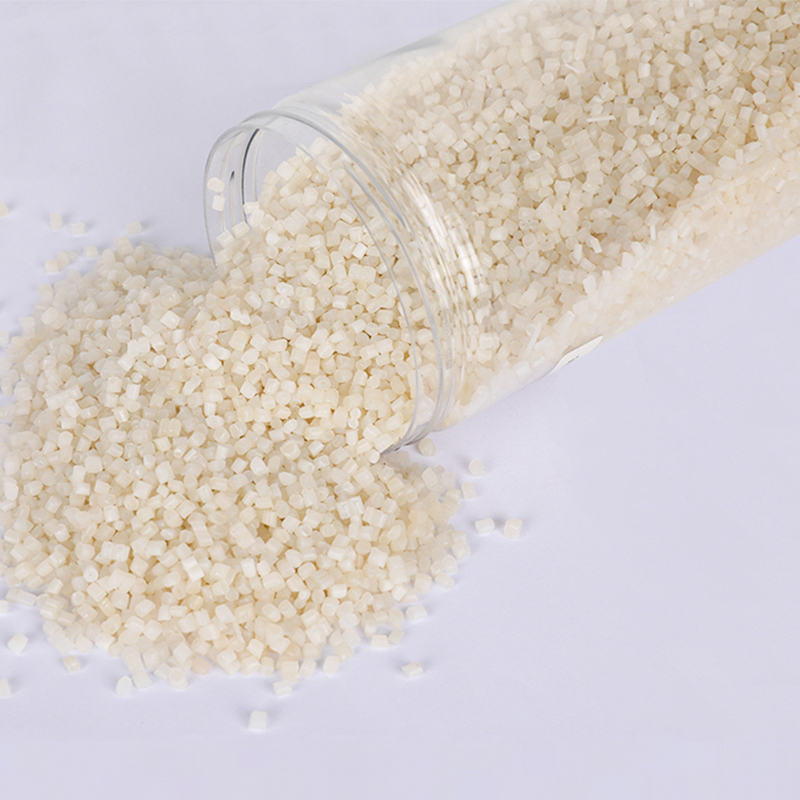
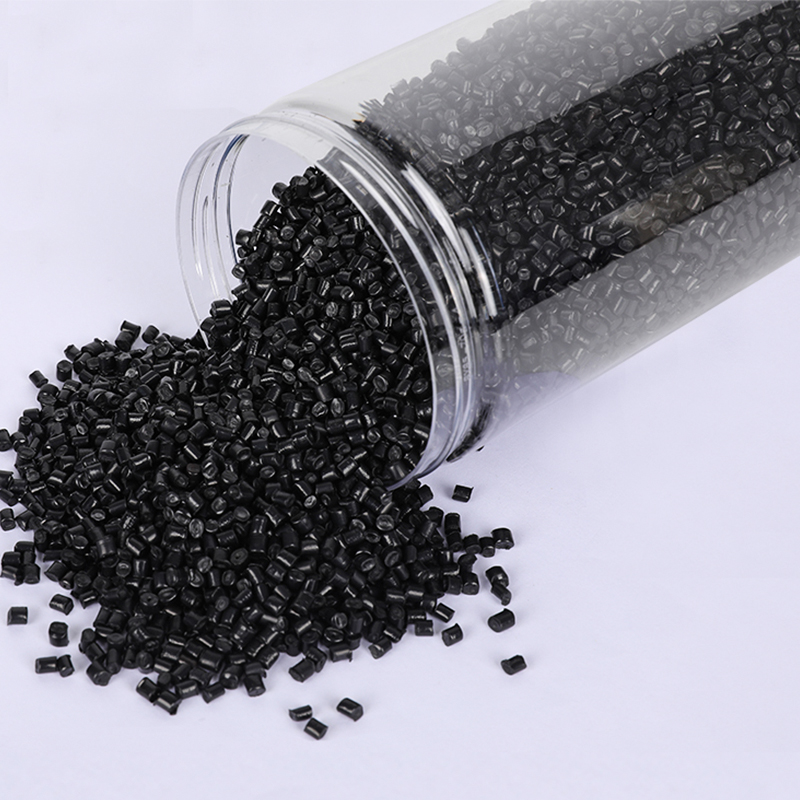
Recycled Plastic Pellet: what it is and why specs matter
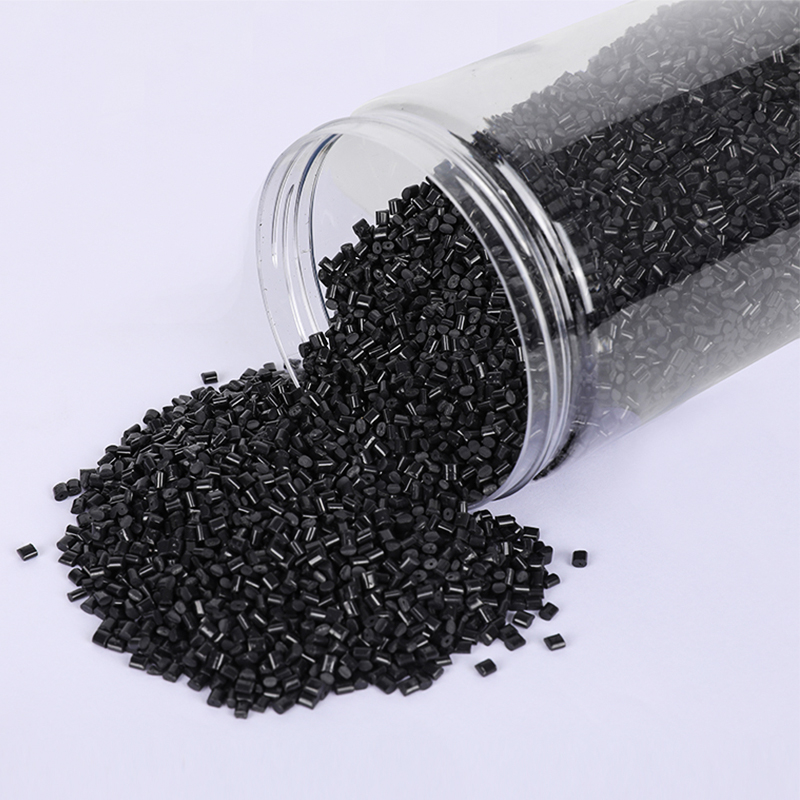
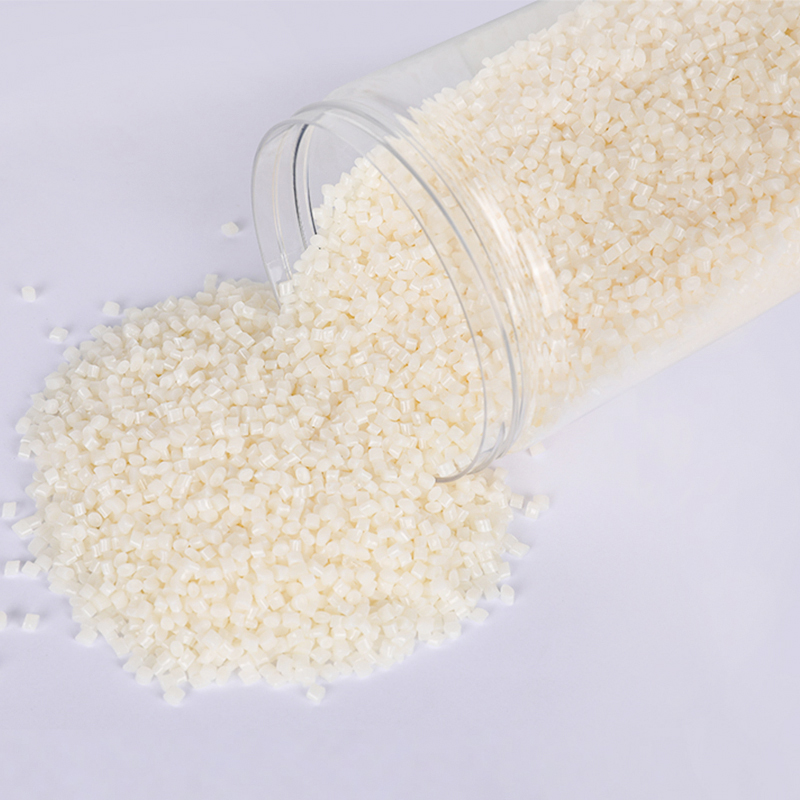
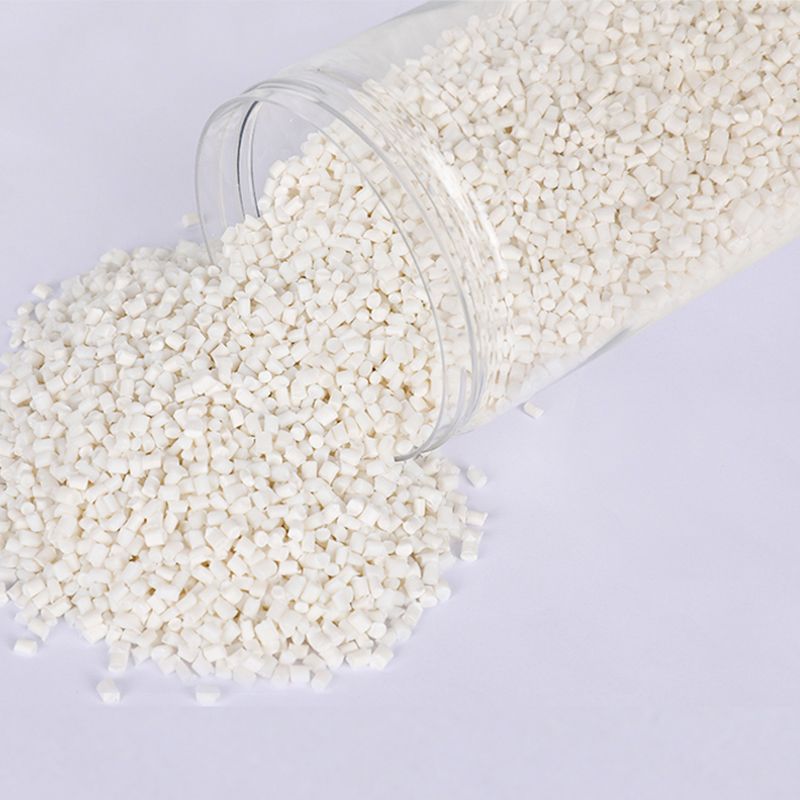
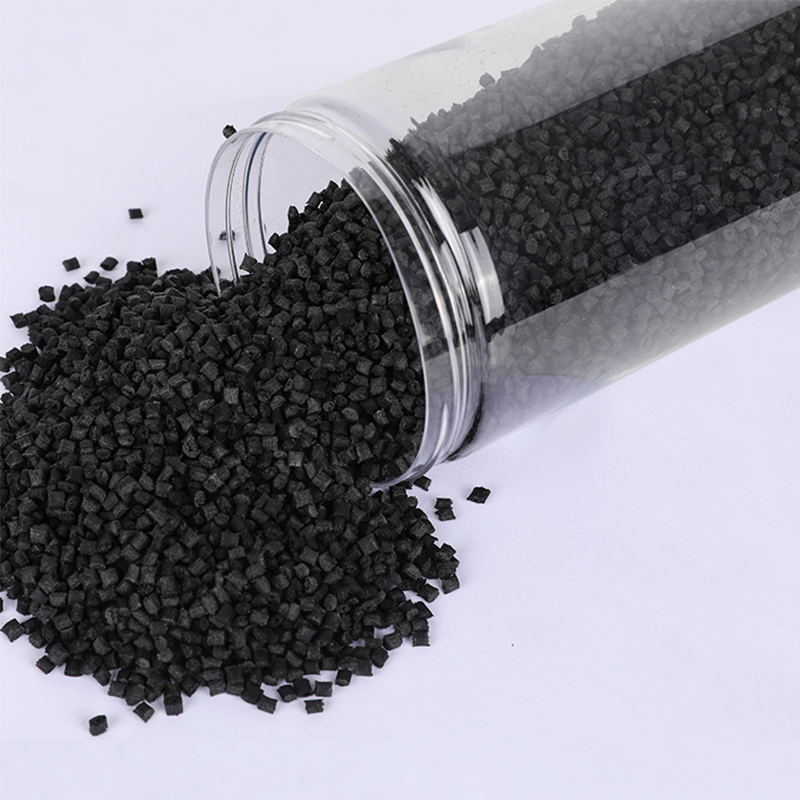
A recycled plastic pellet is a densified, melt-processed granule made from post-industrial (PIR) or post-consumer (PCR) plastic that has been sorted, cleaned, re-melted, and pelletized for reuse in extrusion, injection molding, blow molding, or compounding. Pellets reduce handling losses versus regrind, feed more consistently, and enable tighter process control.
The single biggest performance driver is not the “recycled” label—it is the pellet’s property window (melt flow, contamination, moisture, and consistency lot-to-lot). A buyer who treats recycled pellets like virgin resin without specifying test methods, tolerances, and acceptance limits typically experiences unstable cycle times, surface defects, odor variability, and higher scrap.
In practical terms, you should purchase recycled pellets the same way you purchase any engineered input: define what “good” looks like, measure it consistently, and tie it to your process capability and cosmetic requirements.
How recycled plastic pellets are produced and where variability enters
Most recycled pellet lines follow a similar flow: collection (PCR/PIR) → sorting by polymer and color → size reduction → washing/drying → melt filtration → devolatilization (optional) → pelletizing (strand, underwater, or hot-face) → packaging. Each step can add or reduce variability.
Common variability sources you can control contractually
- Feedstock mix: changing ratios (e.g., PP + PE drift) shifts stiffness, shrink, and MFI.
- Melt filtration level: finer screens reduce gels and specks but can lower throughput and raise price.
- Moisture control: poor drying can cause splay, bubbles, and hydrolysis (notably PET/PA).
- Additives and odor treatment: stabilizers, compatibilizers, and deodorization affect performance and cost.
A practical process note
If your product is cosmetics-sensitive (gloss, color uniformity, low speck), the most cost-effective lever is usually tighter incoming pellet QC (and filtration requirements), not last-minute press adjustments. A disciplined incoming-spec program often reduces scrap more than incremental machine tuning.
Key specifications to request for recycled plastic pellet purchasing
A usable purchase specification should be short, testable, and tied to acceptance criteria. At minimum, request these items for every recycled plastic pellet grade you buy.
Core properties
- Polymer and source: PCR vs PIR, target polymer (e.g., rPP, rHDPE, rPET), and allowed co-polymers.
- Melt Flow Index/Rate (MFI/MFR): specify the test condition (temperature/load) and tolerance band (e.g., ±10–20% depending on your process sensitivity).
- Moisture: set a maximum appropriate to the polymer; for hydrolysis-prone resins, use stricter limits (often 0.05–0.10% by weight for dried PET/PA applications).
- Bulk density and pellet geometry: helps with feeder stability and regrind blending.
- Color control: provide an agreed target (chips, L*a*b*, or a retained reference plaque).
Contamination and cleanliness
- Black specks / gels: define a method (e.g., plaque count per area or per weight) and maximum allowed.
- Metal detection: require validated detection/controls and set a response procedure for suspect lots.
- Non-melting contaminants: specify maximum ppm or a screen/ash method, especially for film-based feedstocks.
- Odor: if relevant, define a simple sensory panel protocol or an agreed “pass/fail” reference standard.
A useful rule of thumb: if the supplier cannot describe the test method, sampling plan, and typical process capability, you do not yet have a controllable recycled pellet grade—you have a “material stream.”
Quality control tests that reduce scrap in molding and extrusion
Recycled plastic pellets perform best when QC focuses on the few tests that strongly predict process stability. The goal is early detection of drift before it becomes downtime or customer returns.
Practical incoming QC checks for recycled plastic pellet lots and what they prevent
| QC check |
What it detects |
Typical impact if out-of-spec |
When it matters most |
| MFI/MFR at defined condition |
Molecular weight drift, blending changes |
Cycle time shift, flash/shorts, dimension drift |
Injection molding, thin-wall extrusion |
| Moisture (% by weight) |
Drying failures, hygroscopic pickup |
Splay, bubbles, brittle parts, hydrolysis |
PET/PA, cosmetic parts, film |
| Filterability / contamination screen |
Gels, unmelted solids, fines |
Die build-up, breaks, surface defects |
Sheet/film extrusion, fiber |
| Color check (chips or plaque) |
Feedstock color drift, overheating |
Customer rejection, rework, higher masterbatch use |
Consumer goods, visible housings |
| Odor evaluation (simple panel) |
Residual VOCs, incompatible additives |
Returns, brand complaints, restricted applications |
Packaging, indoor products |
Sampling discipline that pays back quickly
For recycled pellet lots, variability often comes from within-lot heterogeneity. A single “grab sample” can miss the problem. Use a composite sample built from multiple bags or multiple points across a bulk delivery. If you must choose only one improvement, choose a better sampling plan before adding more tests.
Processing tips: stabilizing runs with recycled plastic pellets
Recycled pellets often require small but important adjustments to maintain consistent viscosity and appearance. The objective is a stable melt with predictable venting, filtration, and thermal history.
Blend strategy (when cosmetic or strength limits are tight)
- Start with a controlled blend (e.g., recycled pellet + virgin) and tighten the MFI window before reducing virgin content.
- If you see shrink/warp variability, verify polymer purity (PP vs PE cross-contamination is a frequent driver).
- Use compatibilizers only when the incompatibility is confirmed; otherwise, you add cost and another source of variability.
Drying and venting (especially for PET and PA)
Hygroscopic polymers demand disciplined drying. A practical acceptance target is moisture low enough to avoid splay and molecular weight loss; for many PET/PA processes this is often 0.05–0.10% depending on part thickness and residence time. Confirm dryer performance at the hopper, not only at the dryer outlet.
Filtration and screen packs (extrusion/compounding)
If you process recycled plastic pellets into film, sheet, fiber, or tight-tolerance profiles, plan for more frequent screen changes than virgin resin. Stable production usually comes from specifying a filtration requirement upstream (supplier) and maintaining a consistent screen pack strategy downstream (your line).
Quick troubleshooting checklist
- Splay or bubbles: check moisture first; then check volatiles/odor and venting.
- Black specks: confirm screen condition, then review supplier filtration and feedstock controls.
- Flash/short shots: verify MFI drift and re-check melt temperature and hold pressure.
- Color drift: isolate lot change timing; confirm masterbatch dosing stability and pellet color variation.
Buying recycled plastic pellet: supplier questions that prevent surprises
Procurement success depends on converting “recycled content” into measurable, enforceable requirements. Use the questions below to determine whether a supplier is operating a controlled recycling process or simply moving material.
Technical and operational questions
- What is the feedstock definition (PCR/PIR), and what polymers are explicitly excluded?
- What filtration level is standard, and what changes when you request a “low speck” grade?
- Do you provide a certificate of analysis (COA) per lot with MFI/MFR, moisture, and color results?
- What is the typical MFI capability (mean and standard deviation), and what is the corrective action when drift occurs?
- How is odor managed (washing chemistry, devolatilization, deodorization additives), and can you support odor-sensitive applications?
Commercial terms that protect both sides
Include a clear definition of “nonconforming lot,” a retain-sample policy, and a dispute resolution path. If you run high-volume lines, require lot traceability to packaging ID and production date. These terms reduce downtime because they speed root-cause analysis and material replacement.
Storage, handling, and traceability for recycled pellets
Recycled plastic pellets can absorb moisture, pick up odor, and segregate if handled poorly. Basic material discipline is often the difference between “recycled is unreliable” and “recycled runs like a standard grade.”
Warehouse practices
- Keep bags sealed; use FIFO and avoid long open exposure in humid areas.
- Prevent cross-contamination: dedicated pallets/areas for different polymers and colors.
- For hygroscopic resins, treat opened bags as “must dry before use” even if they were delivered dry.
Traceability that supports audits and customer questions
Maintain records linking each production run to pellet lot IDs, COAs, and any blend ratios used. When recycled content claims are customer-facing, traceability is not optional; it is how you defend performance, quality, and content statements with evidence.
If you implement only one “best practice,” implement this: do not mix lots in the same hopper without documenting the blend ratio and changeover time. It is the fastest path to explain cycle shifts and cosmetic drift.

 简体中文
简体中文 English