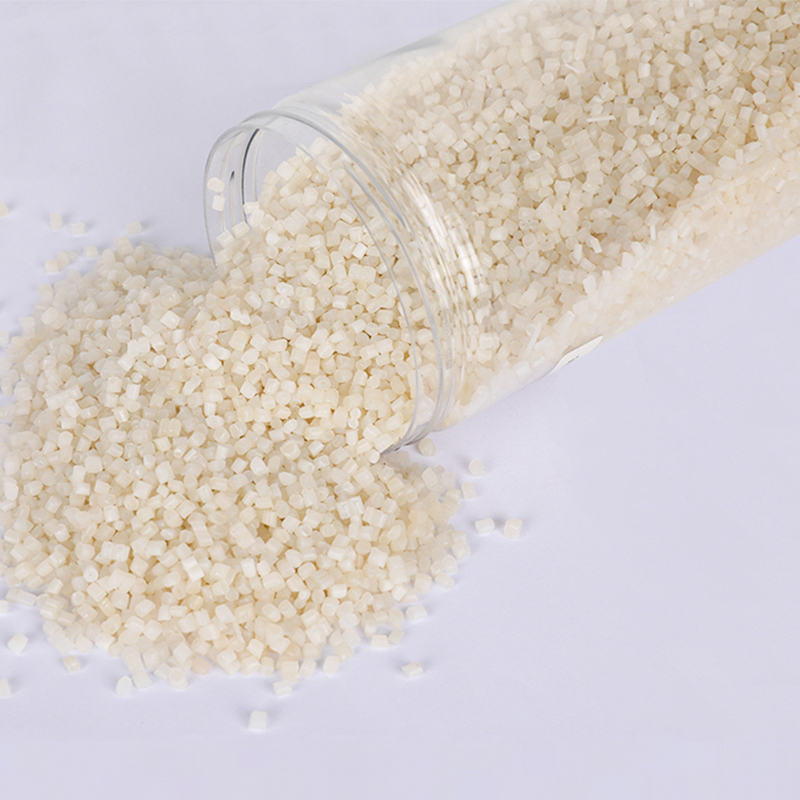
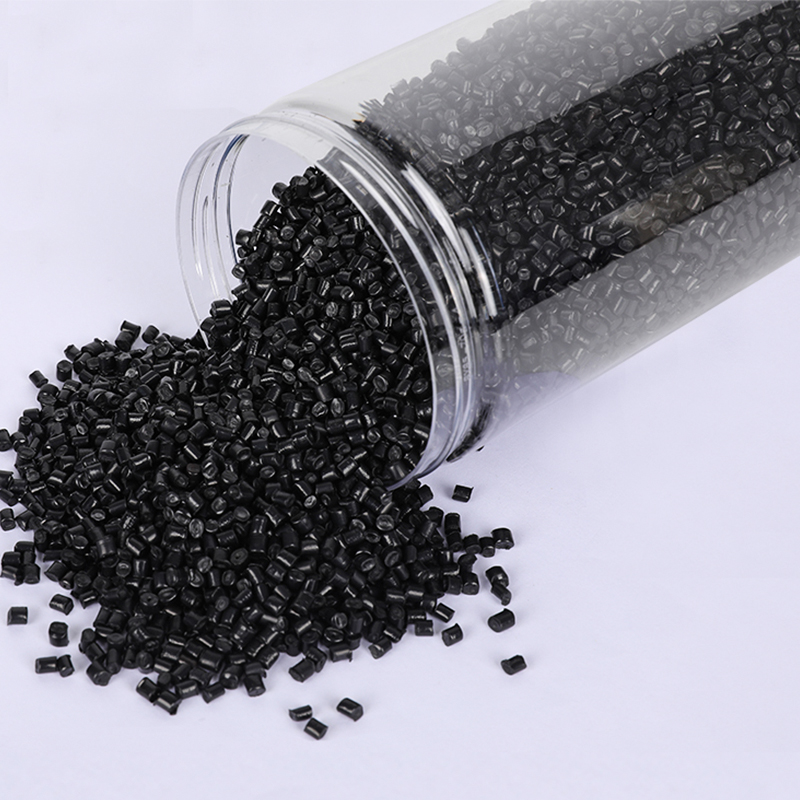
What Plastic Pellets Are and Why They Matter in Injection Molding
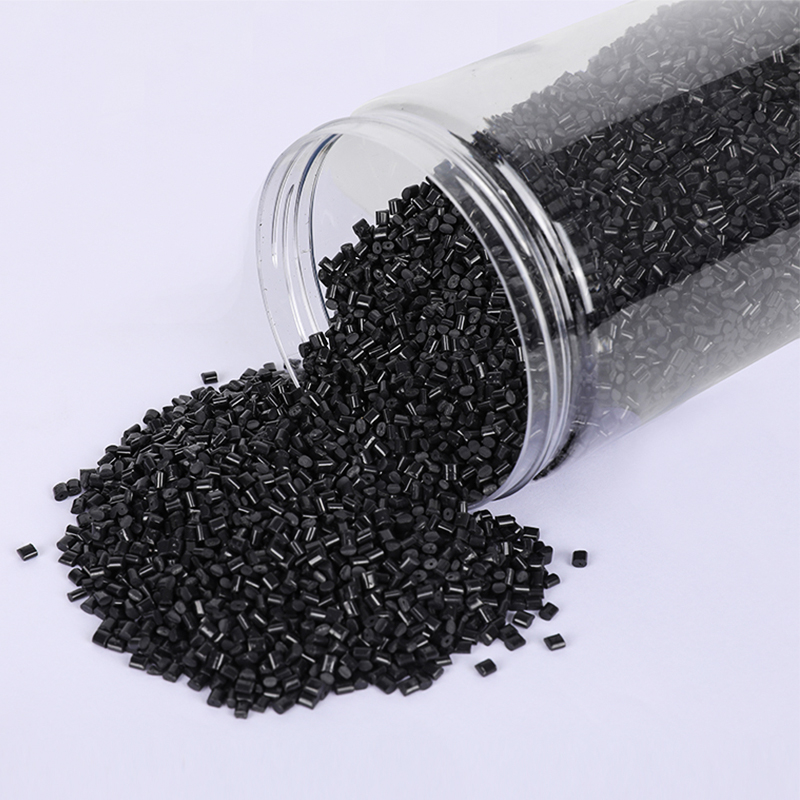
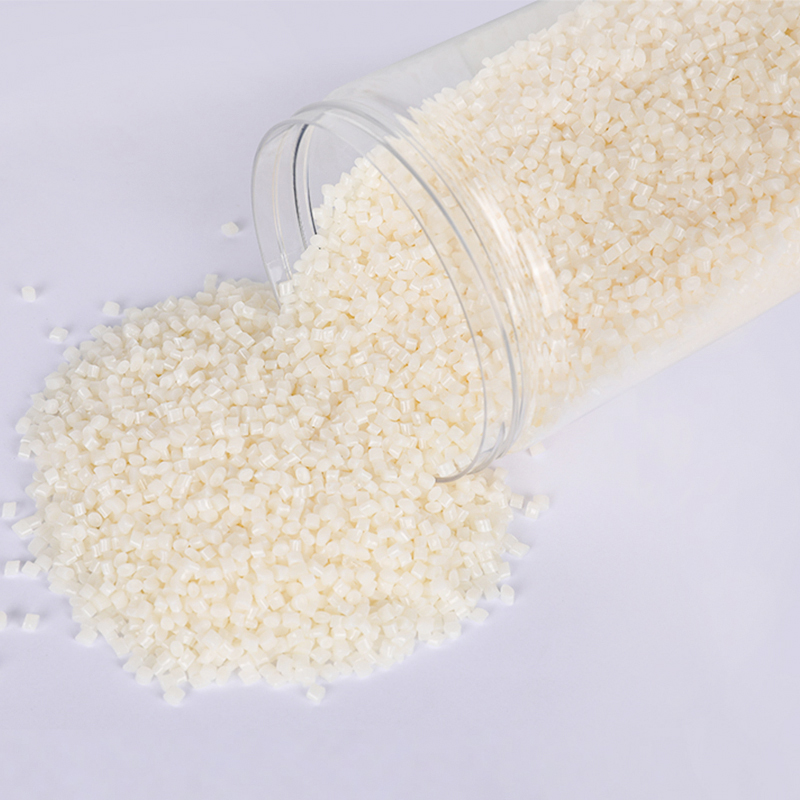
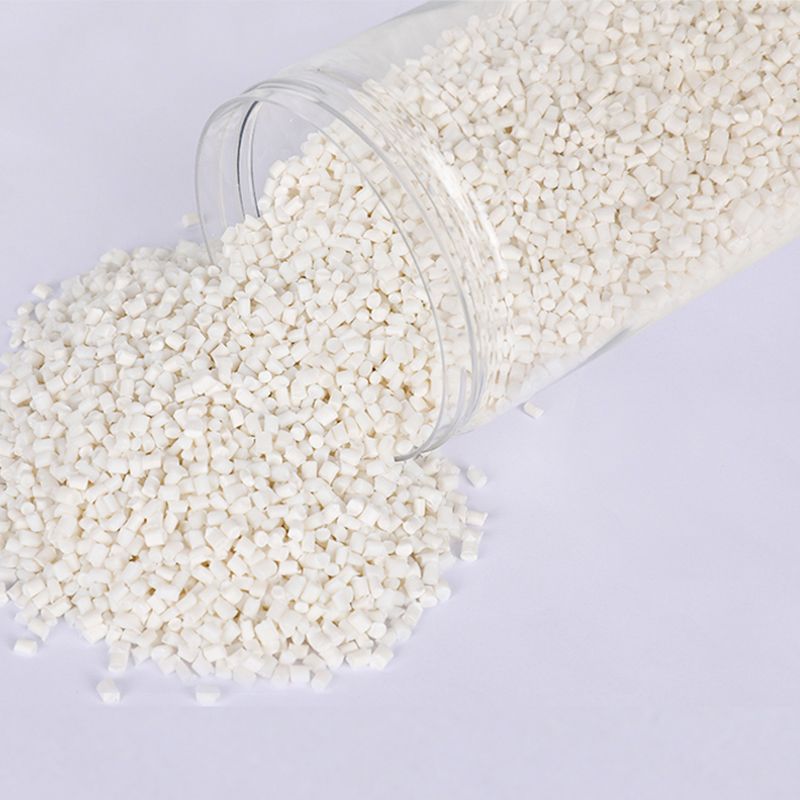
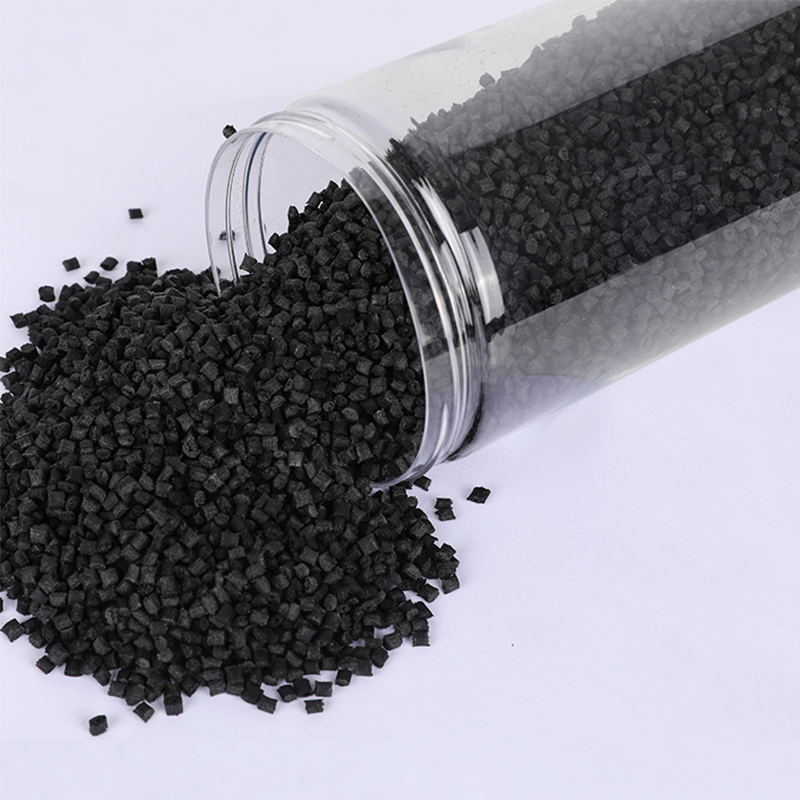
Plastic pellets for injection molding are standardized granules of polymer resin (often compounded with fillers, stabilizers, colorants, or impact modifiers) designed to melt, flow, and solidify predictably. In practice, “pellet quality” is one of the fastest levers for improving part consistency because pellets directly influence melt viscosity, moisture level, contamination risk, and color uniformity.
If two production runs use the same mold and machine settings but different pellet lots, you can still see differences in short shots, sink, gloss, warpage, or splay. A disciplined approach to selecting and handling pellets typically reduces scrap by preventing issues that cannot be “fixed” later with process tweaks.
Choosing the Right Plastic Pellets for the Part
Selection should start with functional requirements (load, impact, temperature, chemicals), then narrow by processability and cosmetics. Two pellets may share the same base polymer but behave very differently due to melt flow rate (MFR), filler loading, and additive packages.
A practical resin shortlist for common part goals
- Tough, low-cost housings: PP copolymer or ABS (good impact, easy processing).
- High stiffness and dimensional stability: glass-filled PA or glass-filled PBT (watch moisture and warpage).
- Optical clarity: PC, PMMA, or clarified PP (tight control of drying and contamination).
- Low friction and wear: POM/Acetal (manage thermal stability and venting).
Quick comparison table for shop-floor decisions
| Resin (Pellets) |
Typical Melt Temp (°C) |
Typical Mold Temp (°C) |
Drying Need |
Common Use |
| PP |
200–240 |
20–60 |
Usually not required |
Living hinges, caps, housings |
| ABS |
220–260 |
40–80 |
Recommended (2–4 h) |
Consumer enclosures, trim |
| PC |
260–320 |
80–120 |
Required (3–4 h) |
Transparent guards, lenses |
| PA6 (Nylon) |
230–270 |
60–90 |
Required (4–8 h) |
Gears, brackets, clips |
| POM (Acetal) |
190–220 |
80–100 |
Usually minimal |
Low-friction mechanisms |
| PET |
260–290 |
80–140 |
Required (4–6 h) |
Electrical parts, some packaging |
Typical processing ranges for common plastic pellets used in injection molding; confirm exact settings in the resin datasheet.
Pellet Specs That Predict Molding Performance
For injection molding, you want pellet specs that translate into stable fill and repeatable shrink. The most actionable specifications are those you can tie to measurable outcomes on press.
Melt flow (MFR/MFI) and viscosity consistency
Melt flow rate is a practical proxy for how easily the melt will fill thin walls. A shift in MFR between lots can show up as changes in fill pressure, gate blush, or flash. If you are chasing a process window, treat MFR variation as a root-cause candidate, not just a “supplier number.”
Moisture content and hydrolysis risk
Hygroscopic pellets (such as nylon, PET, PC, and many polyesters) absorb water from air. When melted, that water can cause chain scission (hydrolysis), leading to brittle parts, splay, and reduced impact strength. As a rule of thumb, engineering resins often need moisture controlled to the “hundreds to tens of ppm” range (resin- and grade-dependent) to protect properties.
Pellet geometry, fines, and contamination
Uniform pellet size promotes steady feeding. Excess fines (dust) can burn, clog filters, or create streaks. Mixed regrind, metal fragments, paper, and cardboard fibers typically manifest as black specks, short shots, or weak weld lines. Good pellet handling is often the cheapest “quality upgrade” available.
Drying Plastic Pellets: Settings That Prevent Splay and Brittleness
Drying is not a formality for hygroscopic pellets; it is a material protection step. The goal is not “warm pellets,” but a controlled dew point and residence time that consistently hits the moisture target for the resin grade.
A repeatable drying routine
- Start with the resin datasheet: drying temperature, hours, and required dryer dew point.
- Confirm dryer performance: verify airflow and dew point at the hopper inlet, not just at the dryer display.
- Control exposure after drying: use sealed hoppers/lines so pellets do not reabsorb moisture on the way to the throat.
- Document the “time out of dry air” limit per resin and enforce it during changeovers.
Symptoms that point to under-dried pellets
- Splay or silver streaks that persist even after reducing injection speed.
- Brittle parts with normal-looking dimensions (hydrolysis can reduce impact without obvious visual cues).
- Inconsistent cushion or shot-to-shot pressure instability when other variables are controlled.
Operationally, it is often more cost-effective to invest in stable drying (dew point control, sealed conveying, and moisture verification) than to spend hours “tuning around” moisture-driven variability on the press.
Storage, Conveying, and Contamination Control for Pellets
Many pellet-related defects originate before the material reaches the hopper. Good handling focuses on preventing water pickup, mix-ups, and foreign material entry.
Storage rules that prevent “mystery scrap”
- Keep bags and gaylords sealed; reseal partials immediately with labeled closure.
- Separate hygroscopic pellets from ambient humidity zones; avoid storing opened material near wash bays or exterior doors.
- Prevent cross-grade mix-ups: dedicate scoops, hoses, and vacuum receivers per resin family when possible.
- Use magnets and screen packs where appropriate to intercept metal and fines before they enter the screw.
Conveying details that matter
Long or high-velocity conveying can generate fines, especially with brittle pellets or regrind blends. If you see rising black specks or burn marks after a conveying change, inspect bends, receivers, and filters for dust accumulation, and reduce conveying velocity if feasible.
Using Regrind, Masterbatch, and Fillers Without Destabilizing the Process
Many operations blend virgin pellets with regrind and additives for cost and sustainability. The key is controlling variability so the blend behaves like a single, predictable “new resin.”
Regrind guidelines that protect part properties
- Define an allowed percentage by part criticality (cosmetic or structural parts often require tighter limits).
- Control particle size and remove dust; fines elevate burn risk and can change melt behavior.
- Do not mix “unknown history” regrind into engineered resin jobs; traceability matters more than nominal polymer type.
Masterbatch dosing stability
Color masterbatch and additives should be metered with repeatable feeders. If color is drifting, check for bridging, pellet segregation, or inconsistent feeder calibration. A small dosing error can create visible shade changes long before it affects dimensions, so treat color drift as an early warning of blend inconsistency.
Practical takeaway: If you cannot measure and control blend ratios, keep the formulation simpler—variability costs more than material savings when it causes downtime and scrap.
Troubleshooting Defects Linked to Plastic Pellets
When defects appear, isolate whether the driver is material, machine, mold, or method. The fastest checks are often material-centric: moisture, contamination, and lot-to-lot variation.
Common symptoms and the “pellet-first” checks
- Splay/silver streaks: verify drying settings and dew point; inspect for wet conveying lines or open hoppers.
- Black specks: check for fines buildup, degraded material in dead spots, contaminated regrind, or overheated residence time.
- Flash after a material change: compare MFR/viscosity between lots and confirm clamp force and venting are still adequate.
- Short shots despite “same settings”: inspect pellet feed consistency, throat bridging, and lot-to-lot flow differences.
- Brittle parts: suspect moisture-driven hydrolysis in hygroscopic resins or excessive regrind history.
A fast containment action that saves time
If a defect appears abruptly, quarantine the current pellet lot (including opened containers) and run a controlled test with a known-good lot. If the defect follows the lot, you have immediate evidence to focus on material variables rather than repeated process changes that obscure the true cause.
Quality Checks for Incoming Pellets and In-Process Control
You do not need a full laboratory to improve material control. A small set of checks—performed consistently—can prevent the most expensive problems: unstable production, customer returns, and unexplained cosmetic defects.
High-value checks many molders adopt
- Moisture measurement for hygroscopic resins (at least per lot, and after dryer upsets).
- Visual inspection for contamination and excessive fines (simple but effective when formalized).
- MFR spot checks for sensitive applications (helps explain unexpected pressure or flash changes).
- Retention samples by lot and date (enables fast root-cause confirmation).
Operational benchmark: A single avoided lot-related shutdown or recall typically pays for basic moisture testing and disciplined lot traceability many times over.
Buying Plastic Pellets for Injection Molding: A Practical Checklist
When sourcing pellets, prioritize technical fit and consistency over nominal resin type. Supplier documentation and controllable specs reduce surprises on press.
What to request from suppliers
- Datasheet with recommended processing window, drying requirements, and typical shrink range.
- Certificate of Analysis (COA) per lot (key metrics: MFR, moisture where applicable, filler %, color).
- Packaging and handling guidance (sealed packaging type, shelf-life guidance for opened material).
- Compliance declarations relevant to your market (e.g., food-contact, medical, UL, automotive requirements).
Lot approval approach for stable production
For high-risk parts, approve new pellet lots with a short capability run using fixed settings and predefined acceptance metrics (scrap rate, key dimensions, cosmetic threshold). Keeping that procedure consistent makes supplier comparisons fair and creates a factual record when performance shifts.

 简体中文
简体中文 English