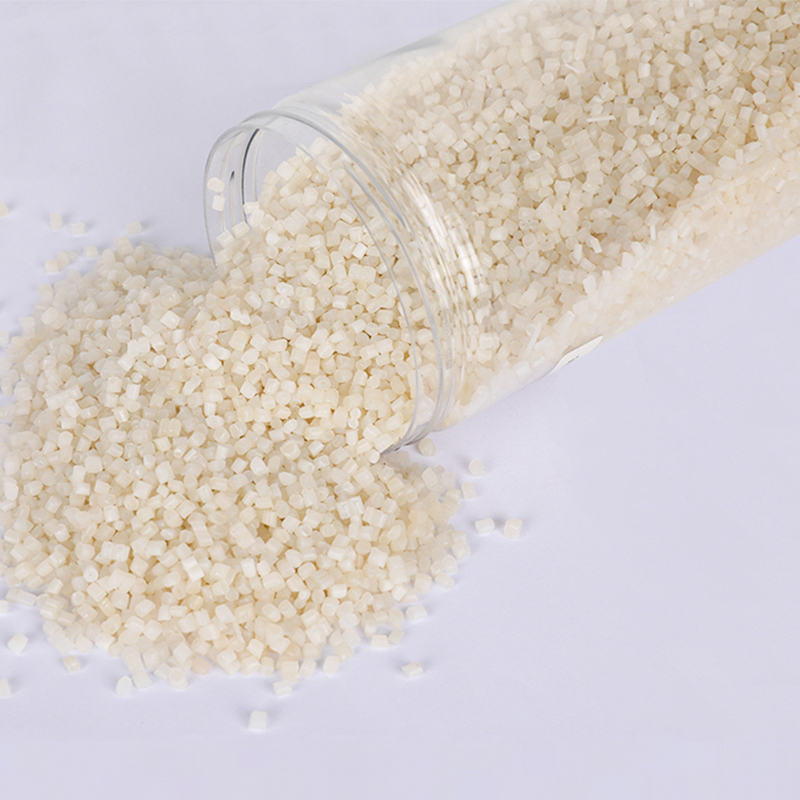
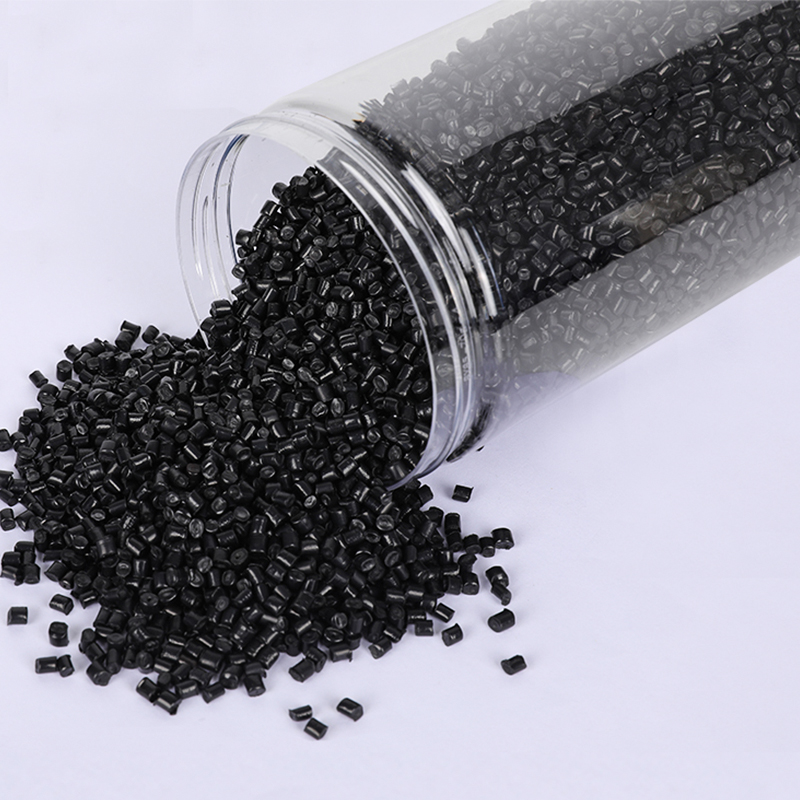
Thermoplastic pellets deliver consistent, scalable production when they are kept dry, clean, and within supplier spec. Most scrap and downtime tied to pellets comes from moisture pickup, contamination, and uncontrolled regrind—not the resin itself.
- Keep pellets sealed and labeled; avoid mixing lots and grades.
- Dry only hygroscopic resins, using verified dew point and residence time.
- Control conveying, filtration, and regrind ratios to protect melt quality.
What thermoplastic pellets are and why they’re used
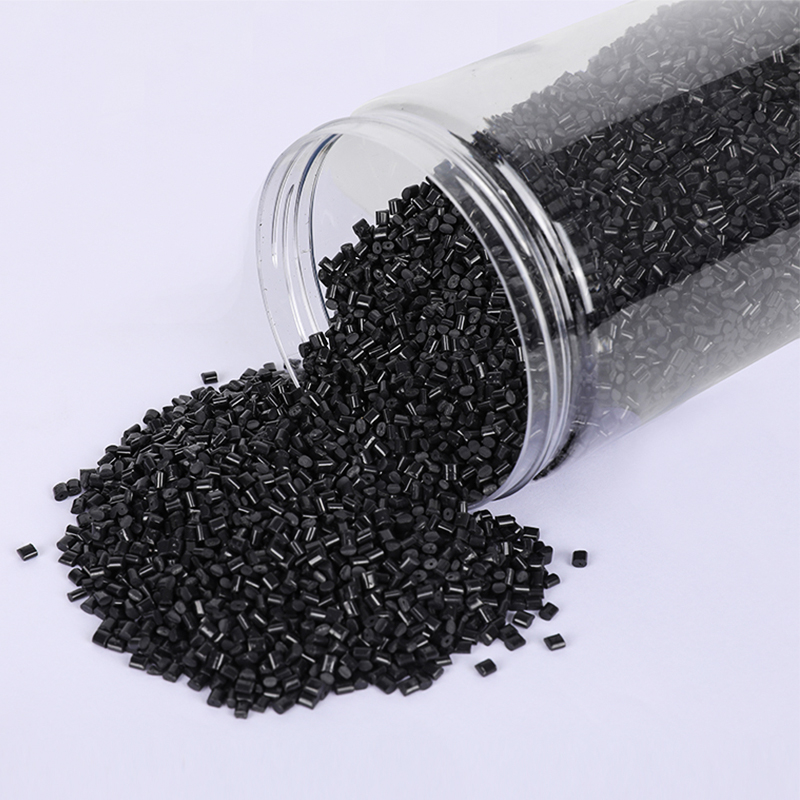
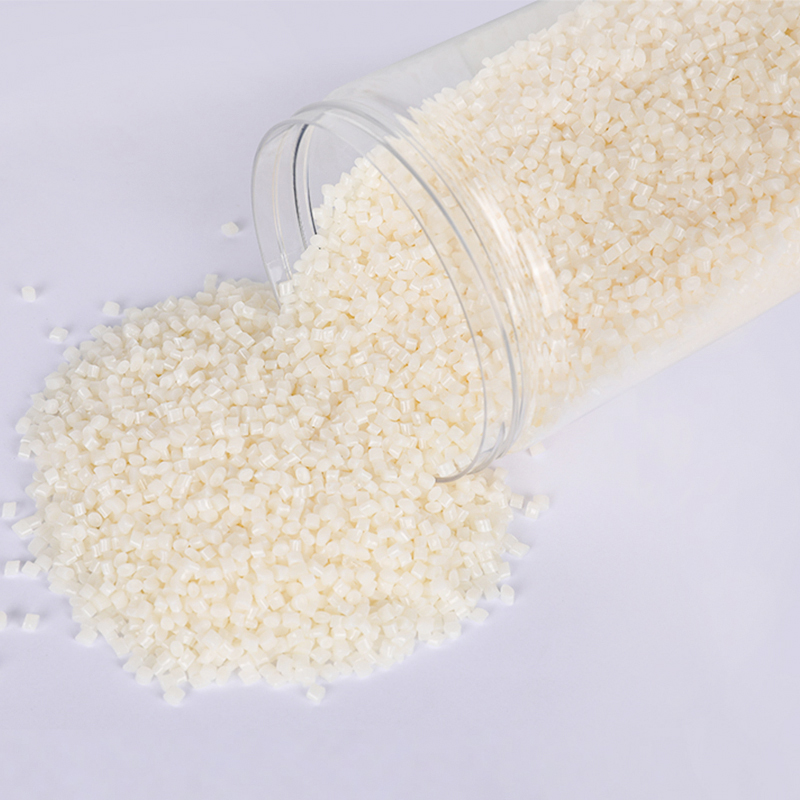
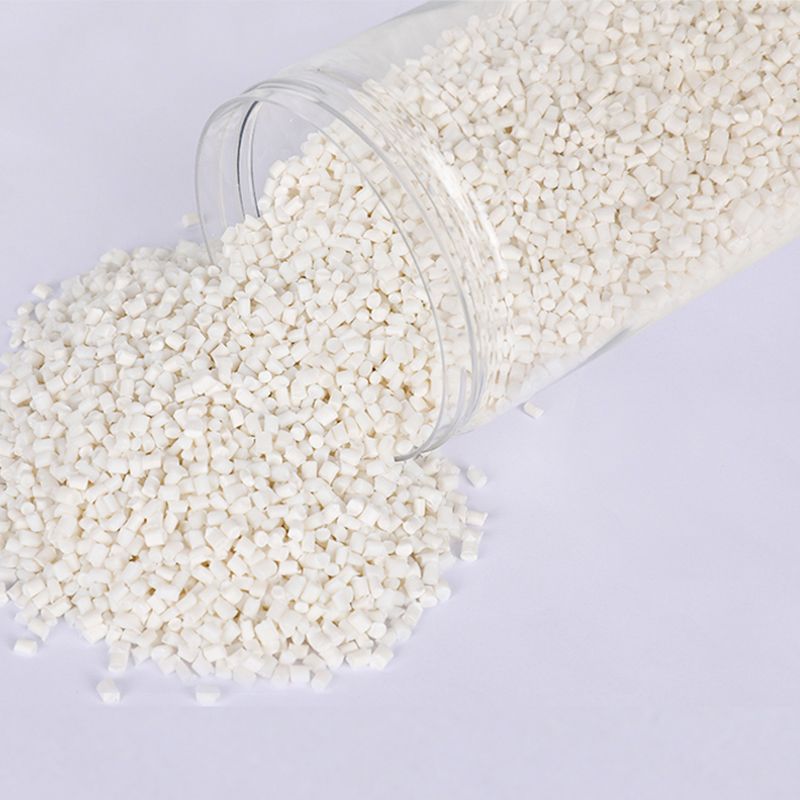
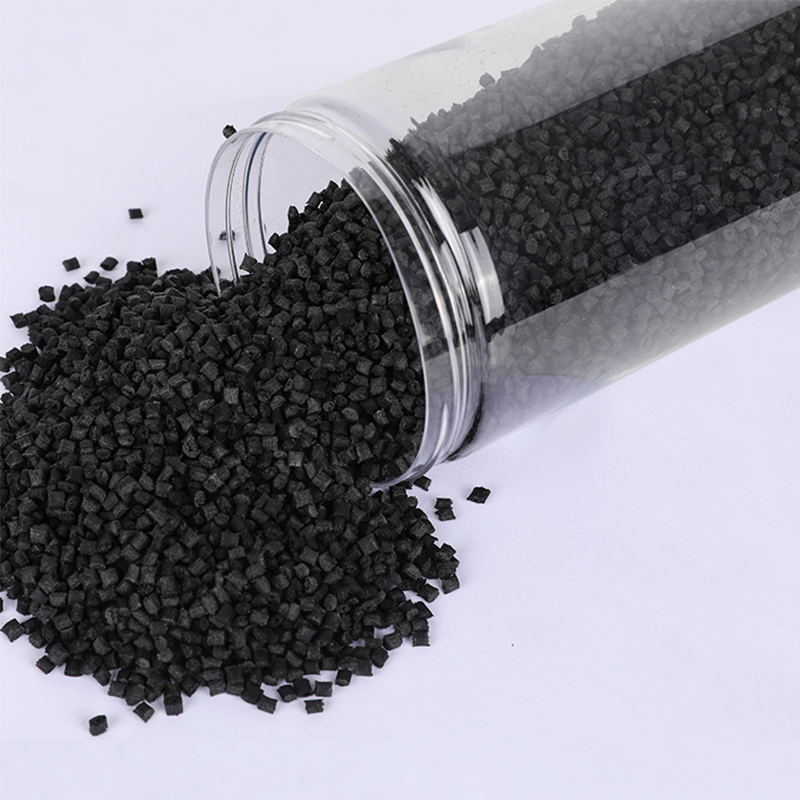
Thermoplastic pellets are small, free-flowing resin granules designed to melt and re-solidify repeatedly. They provide reliable feeding through hoppers, dryers, and screws, enabling stable melt generation for injection molding, extrusion, blow molding, and compounding.
What “good pellets” look like in practice
- Uniform size and shape to prevent bridging, rat-holing, or inconsistent feed.
- Low dust/fines to reduce black specks, filter loading, and screw wear.
- Traceable packaging (lot number, resin grade, additives) for repeatability.
Choosing thermoplastic pellets for your process
Start with the end-use requirements (strength, impact, heat, chemical resistance, appearance) and match them to the processing window your equipment can hold consistently. Pellet choice should align with both performance and manufacturability.
Key selection criteria you can verify quickly
- Melt flow / viscosity target (e.g., easier filling vs. higher mechanical performance).
- Additives and fillers (glass fiber, mineral, flame retardant, UV stabilizer) and their effect on wear and shrinkage.
- Hygroscopic vs. non-hygroscopic behavior, which determines drying needs and moisture risk.
- Color strategy: pre-colored pellets vs. masterbatch dosing and the required mixing consistency.
| Resin family |
Moisture sensitivity |
Typical pellet prep focus |
Common defect if mishandled |
| ABS |
Moderate (often needs drying) |
Drying and contamination control |
Splay, surface haze |
| Nylon (PA6/PA66) |
High (hygroscopic) |
Low dew point drying, sealed conveyance |
Brittleness, bubbles, hydrolysis |
| PET / PBT |
High (hygroscopic) |
Drying with verified dew point and time |
Short shots, loss of IV/strength |
| PP / PE |
Low (typically no drying) |
Clean handling; manage fines/regrind |
Black specks, gels from contamination |
Practical view of how common thermoplastic pellets differ in moisture risk and handling priorities.
If two pellet grades both meet mechanical requirements, prioritize the one with a wider, more forgiving processing window for your equipment and cycle-time targets.
Storage and handling that prevents most pellet-related defects
Pellets degrade operationally long before they degrade chemically. The main threats are moisture pickup, dust/foreign matter, and accidental mixing of lots, colors, or regrind levels.
Warehouse and floor practices that work
- Store bags and gaylords indoors; keep them sealed until use. Use FIFO by lot.
- Label every opened container with resin, grade, lot, date opened, and dryer assignment (if applicable).
- Vacuum and wipe down loading areas; avoid sweeping that re-suspends dust into hoppers.
- Use dedicated scoops and hoses for each resin family and color to prevent cross-contamination.
Example of an easy-to-measure improvement: tracking and reducing “fines” at the hopper (via a simple screen or filter check) often correlates with fewer black specks and fewer clogged hot-runner filters over time.
Drying thermoplastic pellets: when it matters and how to do it correctly
Drying is not “nice to have” for hygroscopic thermoplastic pellets; it is a quality requirement. Moisture can cause splay, bubbles, and polymer chain scission (hydrolysis) that reduces strength and impact performance.
A practical moisture-control rule
If the resin is hygroscopic (e.g., nylon, PET/PBT, many PC blends), treat drying as a controlled process with measurable inputs: dryer temperature, airflow, residence time, and dew point. “Warm air” without dew point control is rarely sufficient for repeatable results.
Drying checklist operators can follow
- Confirm resin type and supplier drying recommendation before setting temperature or time.
- Verify dew point on desiccant dryers; a stable low dew point is typically more predictive than “feels hot.”
- Avoid over-drying or overheating heat-sensitive grades; use the lowest settings that meet moisture targets.
- Keep dried pellets in a closed loop (dryer-to-machine) to prevent moisture re-absorption.
For non-hygroscopic pellets (many PP/PE grades), drying is often unnecessary; focus instead on cleanliness, stable feed, and contamination prevention.
Processing tips that translate directly to better parts and fewer stoppages
Thermoplastic pellets behave consistently when melt generation is stable. The operational levers are: steady feed, predictable melt temperature, controlled shear, and appropriate filtration for the resin and part requirements.
Feed and conveying
- Keep pellet flow consistent: sudden feed interruptions can show up as short shots (molding) or gauge variation (extrusion).
- Use screens/filters where appropriate to capture fines and foreign particles before they reach sensitive tooling.
- For filled pellets (e.g., glass fiber), treat conveying as an abrasion problem: bends, high velocities, and long runs increase wear.
Regrind control (simple policy, big impact)
Set a documented regrind ratio by product family and enforce it. Even small, uncontrolled swings can change viscosity, color, and mechanical performance—especially for heat-sensitive or highly filled compounds.
- Keep regrind segregated by resin, color, and lot whenever traceability matters.
- Regrind should be dried if the base resin is hygroscopic.
- Watch for fines generation in grinding; excess fines can cause feeding issues and cosmetic defects.
Troubleshooting: link visible defects to pellet and prep causes
When a defect appears, isolate whether the root cause is material condition (pellets), preparation (drying/handling), or machine settings. The fastest wins usually come from pellet condition checks you can standardize.
| Symptom |
Likely pellet/prep contributor |
Fast check |
Corrective action |
| Splay / silver streaks |
Moisture in hygroscopic pellets |
Confirm dryer dew point and residence time |
Restore drying controls; seal transfer path |
| Black specks |
Contamination, fines, degraded residue |
Inspect hopper magnets/screens; check housekeeping |
Improve filtration/cleaning; purge if needed |
| Inconsistent fill / short shots |
Mixed lots, variable regrind, feed instability |
Verify lot control and regrind ratio records |
Lock recipe; stabilize feed and blend method |
| Brittleness / weak parts |
Hydrolysis from wet pellets; overheat history |
Review drying and material residence time |
Dry correctly; reduce thermal exposure; validate lot |
Quick mapping from common defects to thermoplastic pellet condition and preparation issues.
The most effective troubleshooting pattern is to standardize material checks first (seal integrity, labels/lot, dryness indicators, fines/screens), then adjust machine settings only after the pellet inputs are stable.
Buying and specifying pellets: what to request from suppliers
Strong procurement of thermoplastic pellets is mostly about reducing variability. The goal is to ensure each delivery behaves like the last one in melt flow, additives, color, and cleanliness.
Minimum documentation that supports repeatability
- Certificate of Analysis (COA) by lot (key properties relevant to your process and application).
- Recommended drying conditions (temperature, time, and any dew point guidance) for hygroscopic resins.
- Additive package disclosure where feasible (stabilizers, fillers, flame retardants) and any processing cautions.
- Packaging and handling guidance (storage conditions, shelf-life assumptions, resealing guidance after opening).
Practical takeaway: the best pellet specification is the one you can verify on receipt—lot traceability, packaging integrity, and a small set of critical material properties that correlate with your part quality.

 简体中文
简体中文 English