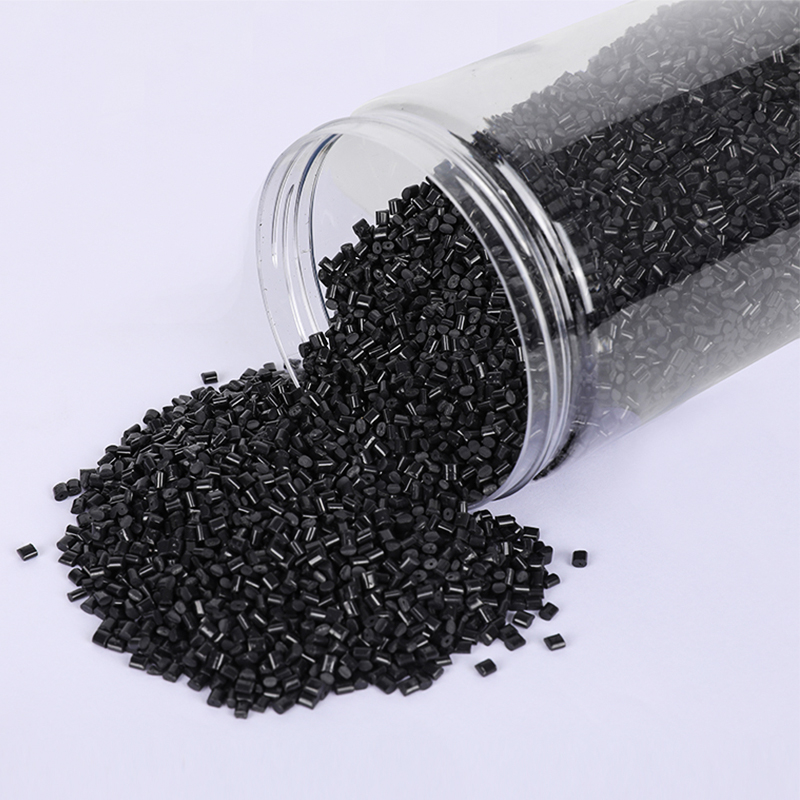
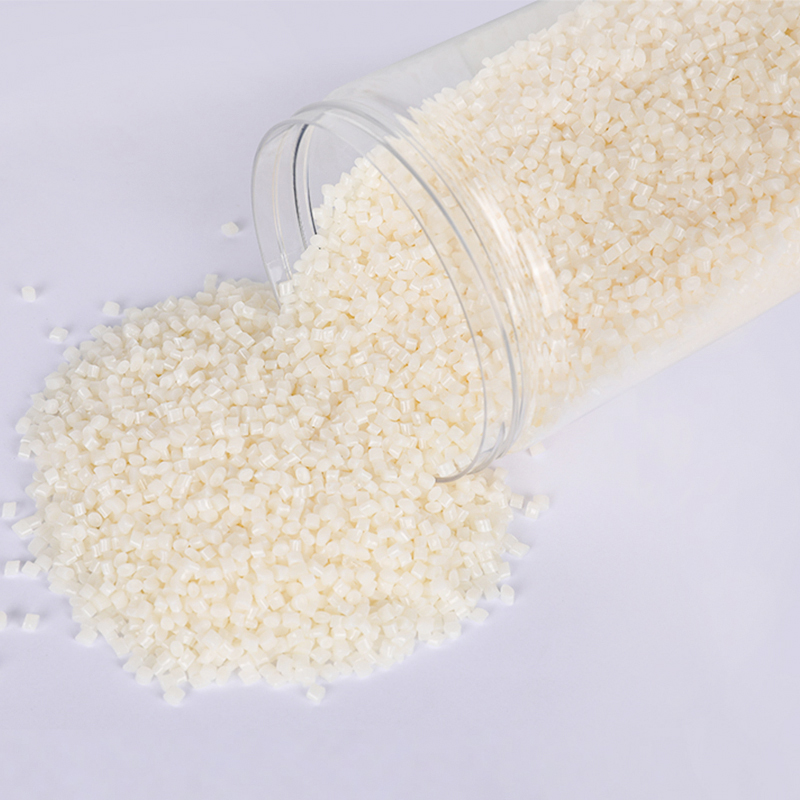
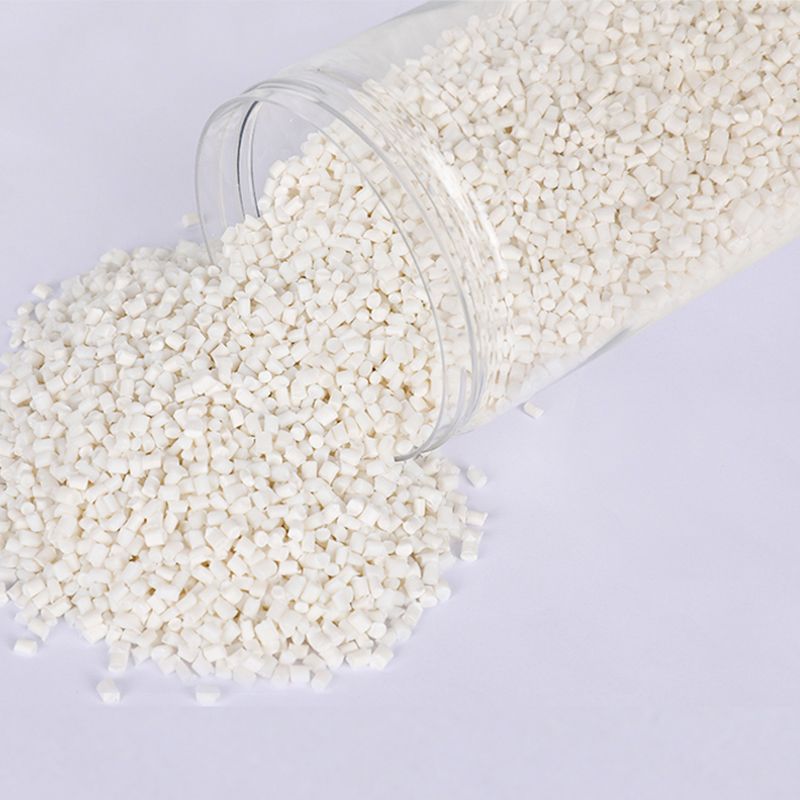
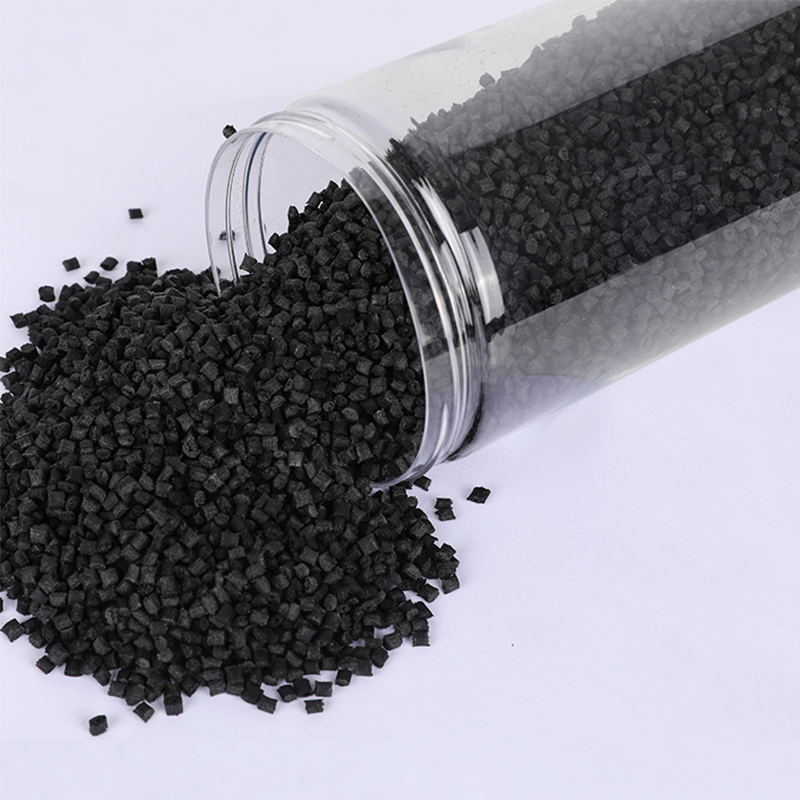
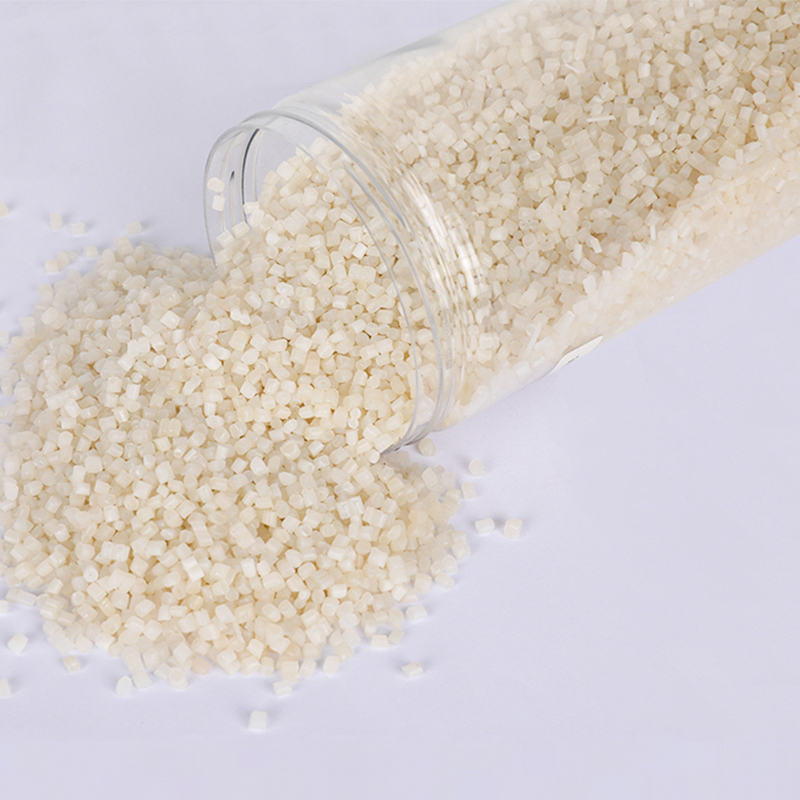
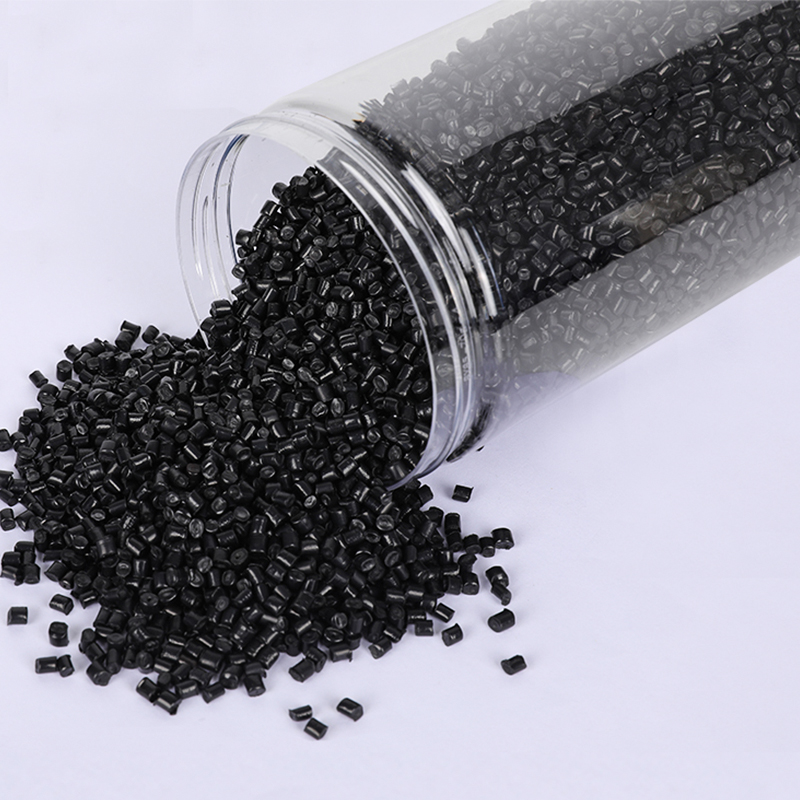
What “plastic pellets bulk” really means in industrial purchasing
When buyers search for plastic pellets bulk, they are typically looking for production-grade resin supplied with consistent properties, traceability, and packaging suitable for long runs (injection molding, compounding, extrusion). In bulk procurement, the biggest risks are not “getting pellets,” but controlling variability across lots—because small shifts in melt flow, ash content, or contamination can drive scrap, downtime, or customer claims.
From a manufacturer’s perspective, bulk supply should be evaluated as a system: resin selection + specification + quality assurance + packaging/logistics. If any one of these is weak, the “cheap” offer becomes expensive at scale.
If you are sourcing recycled resin, bulk purchasing also introduces two additional controls that should be explicit in your PO: (1) recycled stream definition (PCR vs PIR) and (2) certification expectations. For reference, our product portfolio focuses on wholesale recycled pellets across PP, PE, ABS, and PA families, with options that can be aligned to injection molding and compounding requirements (see recycled plastic pellet product range).
Common bulk-buy pitfalls (and how to avoid them)
- Ordering by “material name only” (e.g., “recycled PP”) without a measurable spec (MFI, ash, impact, color tolerance).
- Skipping a pilot lot and going straight to container-scale ordering.
- Ignoring packaging and handling—leading to moisture pickup, pellet contamination, or poor feeding.
- No agreement on documentation (COA per batch, recycled-content evidence, certification scope).
Selecting the right resin family for bulk pellets
Bulk purchasing becomes much easier when the resin family and process window are correctly defined upfront. Below is a practical way to shortlist bulk plastic pellets by application, then tighten the specification based on the part’s mechanical and processing needs.
Recycled PP pellets for injection molding and compounding
Recycled polypropylene is often selected for automotive and home appliance components where stiffness-to-cost matters and where stable molding cycles are required. If your process includes compounding, PP is also a common base polymer for blends and filled systems. You can review typical PP options in our recycled PP product category, including grades designed for compounding and injection molding.
Recycled PE pellets when flexibility and barrier performance matter
Polyethylene is frequently used when elongation, toughness, and moisture resistance are priorities (e.g., packaging-related components and flexible applications). In bulk orders, PE performance is strongly affected by density and melt index targets, so make those measurable in your spec. For PE options, see our recycled PE product category.
Recycled ABS pellets for housings and durable consumer parts
ABS is typically selected for rigidity, dimensional feel, and balanced impact performance, especially in housings or structural consumer parts. In bulk purchasing, the biggest ABS risks are color/appearance variability and property drift across lots, so insist on a per-batch COA and define acceptable ranges for key properties. You can view our ABS offerings in the recycled ABS product category.
Recycled PA (Nylon 6/66) pellets for engineering strength
Polyamide (PA6/PA66) is a good choice when strength and wear resistance are important. However, PA is moisture-sensitive; bulk handling and storage discipline are essential (sealed packaging, controlled storage, and proper drying before molding). Our PA portfolio is organized under recycled polyamide, including Nylon 6 and Nylon 66 grades suitable for injection molding and compounding.
Bulk plastic pellet specification checklist (use this before issuing a PO)
A strong bulk purchase order reads like a control plan. It translates “we need plastic pellets bulk” into measurable requirements that can be checked at incoming inspection and correlated to production performance.
Minimum information you should include
- Polymer and grade intent (PP/PE/ABS/PA; injection molding vs compounding; filled vs unfilled).
- Recycled stream definition: PCR (post-consumer) vs PIR (post-industrial), and whether third-party certification is required.
- Melt flow / melt index target and test condition (state the standard and condition used in your operation).
- Density/specific gravity target (critical for weight-per-part and feeder settings).
- Contamination controls: metals, gels, black specs, odor, and maximum allowable ash/filler (if relevant).
- Moisture limits and packaging requirements (especially for PA; specify sealed bags and storage guidance).
- Documentation per batch: COA, lot number traceability, and any certification evidence you need for audit.
If you are qualifying recycled resin for regulated or customer-audited supply chains, align the spec with what your customer checks (for example: recycled-content documentation, certification scope, and consistent test methods). This reduces rework later and keeps approvals stable across bulk reorders.
Quality controls that matter when buying plastic pellets bulk
At bulk scale, quality control should be predictable and repeatable. The purpose is not to “prove” quality once, but to maintain lot-to-lot stability. In our production practice, the most actionable approach is to combine (1) mechanical testing, (2) contamination/ash monitoring, and (3) documentation discipline (COA + traceability).
Example: using real data to set realistic acceptance ranges
Below are examples of typical property values shown for selected recycled grades. Use this style of data to define acceptance windows that match your part’s function. For instance, if impact performance is a key requirement, you should explicitly specify the relevant impact method and minimum value rather than relying on “general-purpose” labels.
| Example grade |
Material family |
Typical use fit |
Selected typical properties |
| PP-DK022 |
PP |
Compounding & injection molding |
Elongation 79.87%; Impact 44.38 kJ/m²; Tensile 21.6 MPa |
| PP-FH033 |
PP |
High strength & modulus focus |
Flexural strength 33.55 MPa; Modulus 1057.58 MPa; Ash 1.4% |
| PCR ABS (example) |
ABS |
Rigid housings and durable parts |
Bending stress 46.38 MPa; Tensile 31.67 MPa; Impact 15.61 kJ/m² |
| PA-BX086 |
PA66 |
Engineering parts (strength/wear) |
Flexural strength 86.58 MPa; Tensile 55.32 MPa; Impact 7.48 kJ/m² |
| PA-D6073 |
PA6 |
Compounding & injection molding |
Tensile 55.63 MPa; Elongation 34.47%; Flexural strength 73.67 MPa |
Examples of typical properties shown for selected recycled resin grades (values are grade-specific and should be confirmed by COA for each batch).
Certifications and carbon footprint data (when sustainability is a buying requirement)
If your procurement is tied to sustainability reporting or customer audits, ask for evidence that matches your reporting framework. For example, some grades can support PIR or PCR materials certified by GRS, and certain products publish carbon footprint values under ISO-based rules. One published example on specific grades is a carbon footprint of 0.2376 kg CO2e per functional unit, referenced under ISO 14067 and AS2050 rules for those products.
When these requirements apply, it is best to lock documentation expectations into your PO (COA + certification scope + traceability), not treat them as “nice to have” after shipment.
If you want to see a concrete product example, review High Strength PCR Polypropylene Resin (PP-FH033), which provides a clear illustration of how applications, characteristics, and typical properties are communicated for industrial use.
Packaging and logistics for bulk pellets (keep them clean, dry, and feed-ready)
In bulk procurement, packaging is not cosmetic—it is a quality control tool. The wrong packaging choice can introduce moisture pickup, dust contamination, or pellet damage that shows up later as feeding instability or surface defects.
| Bulk packaging format |
Best for |
Key controls to specify |
| Bagged (e.g., 25 kg) |
Frequent grade changes; smaller warehouses; easy counting |
Pallet wrap, bag liner, labeling with lot/COA reference |
| FIBC / big bag (e.g., ~1,000 kg) |
Steady consumption; fewer handling steps |
Moisture barrier, clean fill environment, discharge spout integrity |
| Silo / bulk pneumatic (where applicable) |
Highest throughput; minimal packaging waste |
Conveying cleanliness, filtration/dust control, moisture management |
Practical packaging options for plastic pellets bulk orders and the controls that prevent quality loss during transit and storage.
Storage and handling tips that reduce scrap
- Keep pallets off the floor and away from open doors to reduce condensation risk.
- For PA (Nylon), treat packaging as moisture protection; open only when ready to dry and run.
- Use closed transfer where possible to avoid dust and foreign material entering the feed system.
- Require clear external labels: polymer, grade name, lot number, net weight, and COA reference.
How to compare bulk pellet offers without hidden costs
Two quotes can look similar on price per kilogram and still behave very differently in production. To compare bulk offers properly, evaluate the total cost of ownership: yield, cycle stability, downtime risk, and customer acceptance rate.
Cost drivers you should ask about
- Recycled stream consistency (PCR vs PIR) and sorting/cleaning discipline.
- Filtration and contamination control (often the biggest predictor of stable molding runs).
- Ash/filler levels if they affect stiffness, appearance, or tooling wear.
- Color strategy (natural, black, or controlled color range) and its impact on reject rate.
- Packaging format and protection level (especially for moisture-sensitive engineering plastics).
- Documentation burden: COA per batch and any certification or carbon footprint reporting needs.
A practical rule: if bulk supply is intended for customer-facing parts, prioritize predictable lot control over “best-case” sample performance. The objective is repeatability across every shipment, not a single impressive trial run.
A practical workflow to qualify a plastic pellets bulk supplier
Bulk procurement should follow a structured qualification sequence. This reduces risk and shortens the time from “sample” to stable, repeatable production shipments.
- Define your part requirements: process (injection/compounding), mechanical priorities, appearance constraints, and any sustainability documentation needs.
- Request a spec sheet and representative sample tied to a lot number (avoid “untracked” samples).
- Run a controlled molding trial: record key settings, part weight, scrap causes, and cycle stability.
- Verify documentation: COA per batch, traceability, and any certification evidence required for audits.
- Place a pilot lot (smaller bulk) before scaling to full container volumes; confirm performance matches the sample.
- Lock the control plan into the PO: acceptance ranges, packaging, labeling, and corrective-action expectations for out-of-spec material.
If you want engineering support during qualification (material selection, performance targets, and documentation alignment), share your application details and required volumes via our contact page. We can then recommend the closest-fit resin family (PP/PE/ABS/PA), confirm feasibility, and propose a sampling plan that scales cleanly to bulk shipments.
Conclusion: bulk pellets are a stability project, not a one-time purchase
The best outcomes in plastic pellets bulk purchasing come from treating resin supply as a controlled input—defined specs, consistent testing, disciplined packaging, and documented traceability. This approach reduces scrap, stabilizes cycles, and makes reordering predictable.
If your goal is long-term, scalable supply—especially for recycled resin—select suppliers that can support repeatable quality systems and provide the documentation your downstream customers expect. Our recycled pellets portfolio across PP, PE, ABS, and PA is built for industrial use cases, and you can start by reviewing the full product listing to identify a short list of candidate grades for sampling.

 简体中文
简体中文 English